











UN Team’s First Glimpse of El-Fasher Reveals a ‘Ghost City’ and a Famine Epicenter
An exclusive, brief UN assessment of the captured Sudanese city paints a harrowing picture of systemic destruction and a desperate civilian remnant living without basic services.
The first United Nations humanitarian team to enter Sudan’s El-Fasher in nearly two years has returned with a stark assessment: a city reduced to a shell of its former self, where traumatized civilians survive in “very undignified, unsafe conditions” amid an active famine. The visit, secured after intense negotiations with the paramilitary Rapid Support Forces (RSF) who captured the city in October, offers the first independent glimpse into the aftermath of one of the conflict’s most brutal sieges.
A City Transformed Into a ‘Crime Scene’
UN Humanitarian Coordinator for Sudan, Denise Brown, described El-Fasher as a “ghost of its former self” and a “crime scene,” in an interview following the mission. The city, once a bustling hub for over a million people, now lies largely destroyed. Satellite imagery has previously indicated sites consistent with mass graves, and reports from the siege detail massacres, torture, and sexual violence.
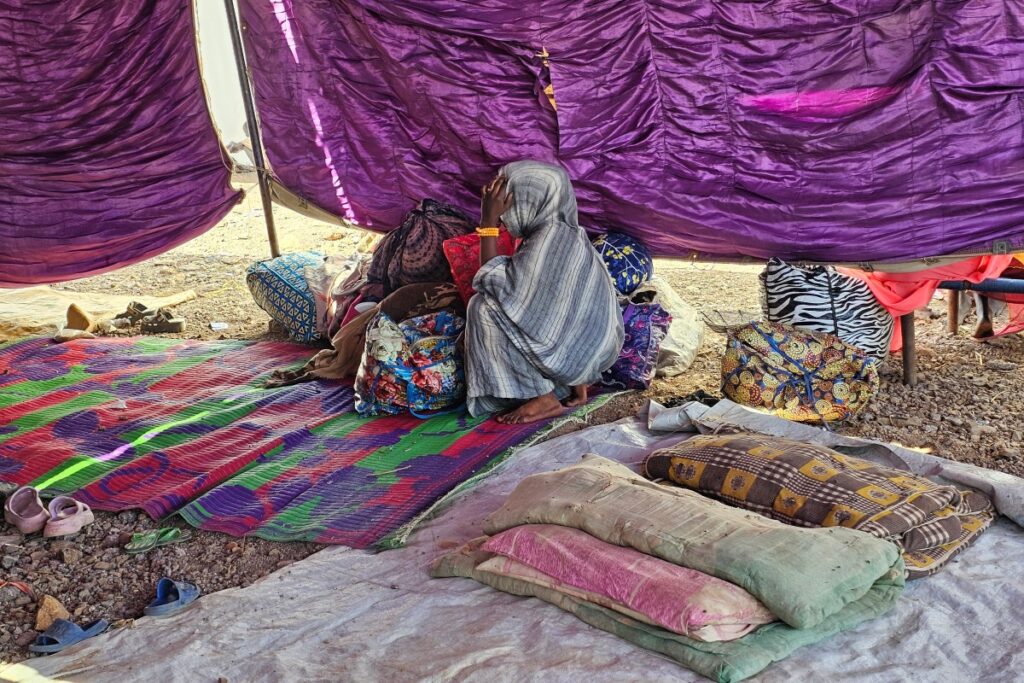
“The people who remain, their homes have been destroyed,” Brown stated. Survivors are sheltering in abandoned buildings or under plastic sheeting, with no access to sanitation or clean water. The team’s movements were severely restricted, both by their RSF escorts and by the threat of unexploded ordnance littering the city after more than 500 days of fighting.
Famine Conditions and a Collapsed Health System
The visit confirmed that El-Fasher remains the epicenter of Sudan’s humanitarian catastrophe. A famine was formally declared in the city earlier this year, and the UN has been systematically blocked from delivering aid. The team found a single, small market operating with minimal produce—small bags of tomatoes and onions—indicating extreme poverty and lack of supply.
The sole hospital, the Saudi Hospital, was still standing but had exhausted its medical supplies. While some medical staff remain, their ability to treat the malnourished, injured, or sick is critically hampered. The broader healthcare infrastructure has collapsed, compounding the crisis for a population the UN believes includes detainees held by the RSF, whom the team was unable to access.
The Broader Context: A War Creating the ‘World’s Worst Humanitarian Disaster’
The devastation in El-Fasher is a microcosm of the wider conflict between the Sudanese Armed Forces and the RSF, which erupted in April 2023. The war has killed tens of thousands, displaced 11 million people, and created what the UN terms “the world’s worst humanitarian disaster.” The strategic capture of El-Fasher, the last major army stronghold in the Darfur region, by the RSF marked a significant shift in the conflict’s dynamics but did not end the suffering for civilians left behind.
Analysts note that the RSF’s willingness to permit a short UN visit may be a tactical move to ease international pressure, but it does not signify a meaningful opening for the scale of aid required. The mission’s primary goal, as described by Brown, was to test access and assess conditions—a goal that revealed a city in ruins and a population on the brink.
What Comes Next?
The immediate challenge is transforming this grim assessment into actionable aid. The UN now has firsthand confirmation of the famine and the total lack of basic services. However, delivering water, food, and medical supplies at scale will require sustained, safe access and guarantees from the RSF, which currently shows no sign of permitting it. Meanwhile, human rights investigations into the atrocities committed during the siege are expected to proceed separately, as the humanitarian focus turns to the monumental task of saving those who survived.
Primary Source: This report is based on information from a UN humanitarian mission detailed in an article by Channels Television, citing AFP reporting.