





Nigeria’s Q1 2026 GDP Growth Slips to 3.89%: A Mixed Signal for Economic Reform and Regional Stability
The Report
As reported by THEWILL, Nigeria’s economy expanded by 3.89% in real terms during the first quarter of 2026, according to the latest Gross Domestic Product (GDP) data released by the National Bureau of Statistics (NBS) on Monday. This marks a slight deceleration from the 4.07% growth recorded in the fourth quarter of 2025, though it remains above the 3.13% posted in the same period a year earlier.
The NBS report highlighted a notable rebound in the agricultural sector, which grew by 3.15% compared to a marginal 0.07% in Q1 2025. The industry sector expanded by 3.50%, up from 3.42% year-on-year, while the services sector—the largest contributor to GDP—grew by 4.31%, marginally lower than the 4.33% recorded in Q1 2025. Services contributed 57.73% to total GDP, slightly above the 57.5% share in the corresponding quarter of 2025.
In nominal terms, aggregate GDP rose to N110.78 trillion, up from N94 trillion in Q1 2025, representing a year-on-year nominal growth of 17.79%. Real GDP stood at N51.26 trillion for the quarter.
Nigeria Time News Analysis
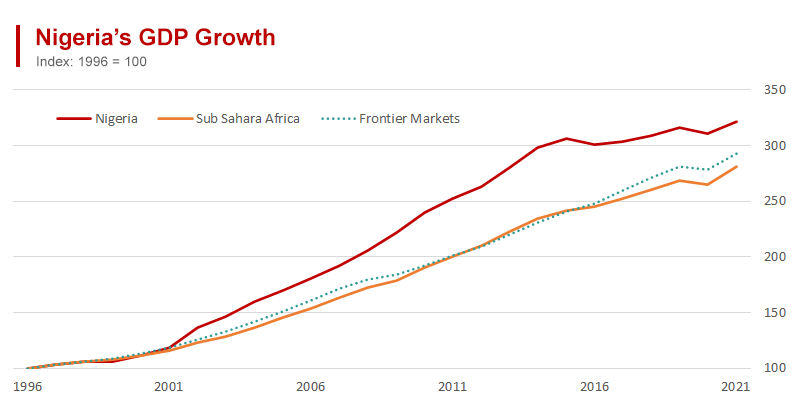
Against the backdrop of persistent macroeconomic headwinds—including elevated inflation, foreign exchange volatility, and structural fiscal constraints—the Q1 2026 GDP figures present a nuanced picture for policymakers and investors. While the headline growth rate of 3.89% signals continued expansion, the sequential decline from Q4 2025’s 4.07% suggests that the momentum of the post-reform recovery may be plateauing.
From a Nigerian policy perspective, the sharp improvement in agricultural output—from near-stagnation to 3.15% growth—is a critical development. This rebound likely reflects the cumulative impact of federal and state-level interventions, including improved seed distribution, fertilizer subsidies, and enhanced rural infrastructure. However, the sector remains highly vulnerable to climate variability, insecurity in farming communities, and inadequate storage and logistics networks. Sustaining this growth will require deeper investment in irrigation, mechanization, and supply chain resilience.
The services sector’s continued dominance—contributing nearly 58% of GDP—underscores the structural shift away from agriculture and industry, a trend that raises questions about job creation and inclusive growth. Services-led growth, particularly in telecommunications, finance, and trade, often generates fewer direct employment opportunities for low-skilled labor compared to agriculture or manufacturing. For a country with a rapidly growing youth population, this imbalance poses a long-term governance and social stability risk.
Looking at the broader ECOWAS implications, Nigeria’s economic performance remains the single most important variable for regional trade, monetary coordination, and investment flows. A slowdown in Nigeria’s growth could dampen demand for goods from neighboring countries—particularly Benin, Niger, and Ghana—and reduce remittance flows that support household consumption across West Africa. The marginal decline in services growth, while small, may signal softening consumer demand, which could have ripple effects on regional commerce.
For the Nigerian diaspora, the nominal GDP increase to N110.78 trillion—driven partly by inflation—does not necessarily translate into improved purchasing power or investment returns. Diaspora investors and remittance senders will be watching the real growth trajectory closely, as sustained expansion above 4% is often seen as a threshold for meaningful improvements in business confidence and currency stability.
Regional Context
Historically, Nigeria’s GDP growth has been closely tied to oil prices and production levels, but the Q1 2026 data reflects a gradual diversification, with services and agriculture playing larger roles. The 3.89% growth rate remains below the 7% annual target set by the Economic Community of West African States (ECOWAS) for regional convergence, and below the 5% threshold that many development economists consider necessary for significant poverty reduction in Nigeria. The NBS data also comes amid ongoing fiscal reforms, including the partial removal of fuel subsidies and exchange rate liberalization, which have created short-term adjustment costs even as they aim to improve long-term fiscal sustainability.
Original Reporting By:
THEWILL