











Petrol Price War: Depot Owners Slash Rates to Match Dangote Refinery’s N840/Litre in Market Share Battle
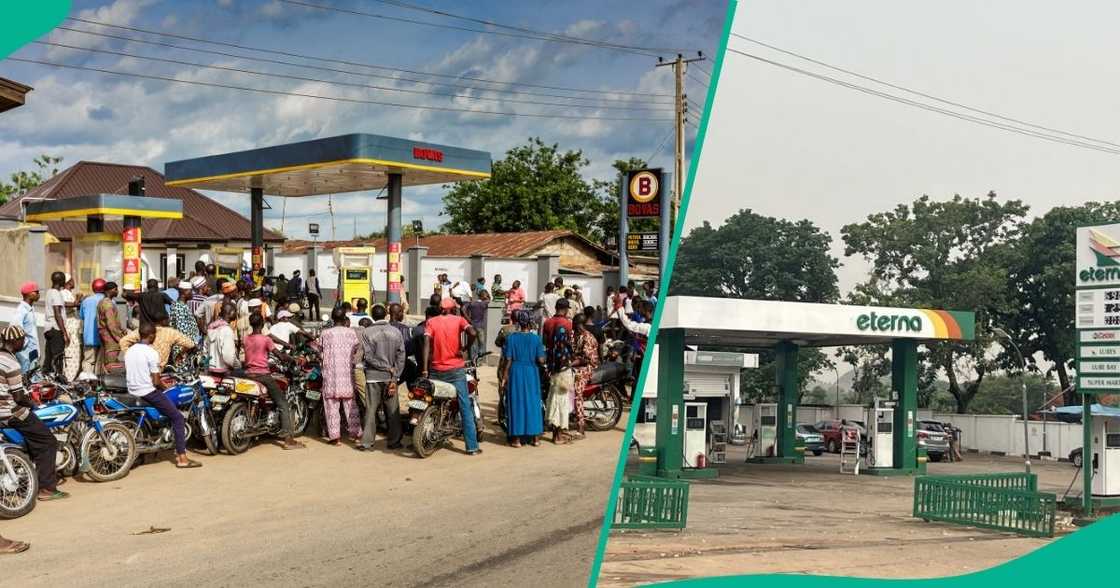
A fierce price war has erupted in Nigeria’s downstream petroleum sector as private depot owners dramatically cut petrol prices to match the Dangote Refinery’s new rate of N840 per litre. This strategic move aims to retain market share amid growing competition from Africa’s largest refinery.
Dangote Refinery Sparks Price Competition
The price battle intensified when the 650,000 barrel-per-day capacity Dangote Refinery reduced its ex-depot price from N880 to N840 per litre on June 30, 2025. The refinery cited lower international crude oil prices and improved domestic logistics as reasons for the adjustment.
However, industry analysts view this as a calculated attempt to dominate the market and force competitors to lower their prices. “This is clearly a strategic move to expand market control,” said energy sector consultant Femi Akinola. “Dangote is leveraging its domestic production advantage to reshape the market dynamics.”
Depot Owners Respond with Matching Prices
Within hours of Dangote’s announcement, major depot operators across Nigeria’s key petroleum hubs moved to match the new price point:
- Menj Oil (Lagos): ₦840/L
- First Royal (Lagos): ₦840/L
- Mao Petroleum (Lagos): ₦840/L
- Emadeb Energy (Lagos): ₦840/L
This rapid response demonstrates the intense competition in Nigeria’s fuel distribution sector, particularly in coastal areas where distribution volumes are highest. The price alignment comes as depot owners struggle to maintain relationships with filling station operators who might otherwise switch to Dangote’s supply.
Market Impact: Winners and Losers
The price war has created clear beneficiaries and casualties in Nigeria’s energy sector:
Consumers Emerge as Primary Beneficiaries
Nigerian motorists are enjoying immediate benefits from the price competition. Filling stations across Lagos, Ibadan, and Onitsha have begun adjusting pump prices downward, with some Dangote-affiliated outlets now selling between N925 and N955 per litre.
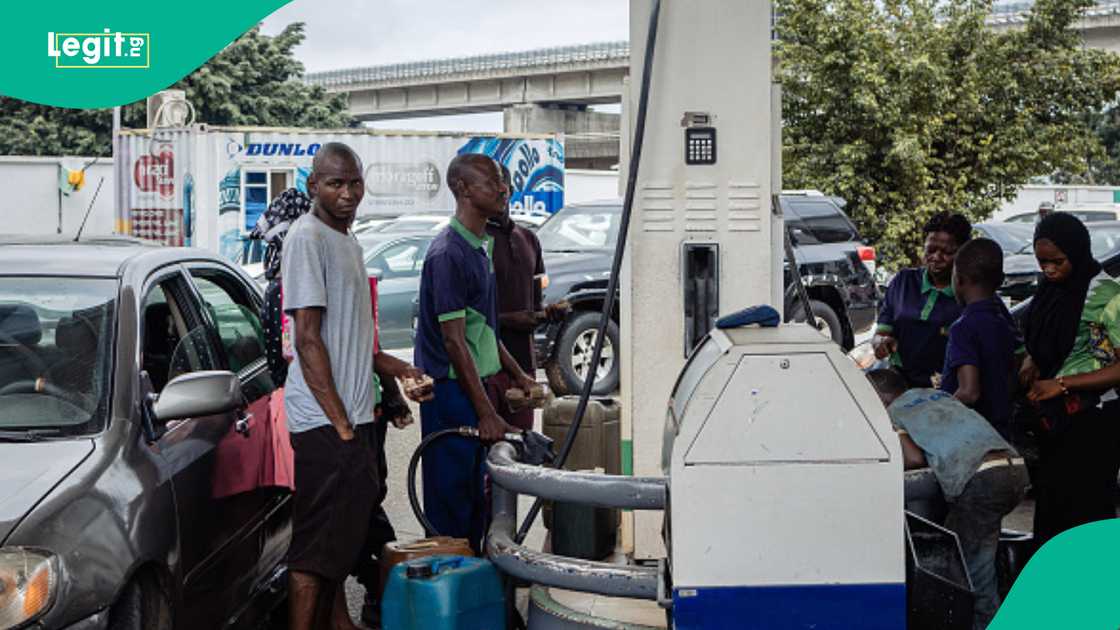
“The consumers are on the winning side,” noted Adeola Yusuf, energy policy analyst at Platforms Africa. “This is one of the benefits of a deregulated market where competition drives prices down.”
Depot Owners Face Margin Pressure
While consumers celebrate, traditional depot operators face significant challenges. Many still rely on imported fuel with landing costs between N870 and N910 per litre, putting them at a cost disadvantage against Dangote’s domestically refined products.
“This is beyond price adjustment—it’s a survival battle,” Yusuf explained. “Smaller depots that can’t compete on price may be forced out of business.”
Future Market Projections
Industry experts predict the price war could intensify further:
- Dangote Refinery may implement additional price cuts to maintain competitive pressure
- More depot consolidations or closures could occur among smaller operators
- Pump prices may stabilize between N900-N950 in major cities
- Improved supply stability expected as domestic production increases
The current competition marks a significant shift in Nigeria’s petroleum market, moving from import dependency toward greater domestic refining capacity. While the short-term price war benefits consumers, the long-term market structure remains uncertain as players adjust to the new competitive landscape.
For consumers, the immediate takeaway is clear: more affordable fuel prices as Africa’s largest oil producer finally begins to realize the benefits of domestic refining capacity.
Source: Legit.ng