






Nigeria Secures 44 Terrorism Convictions in Latest Judicial Crackdown
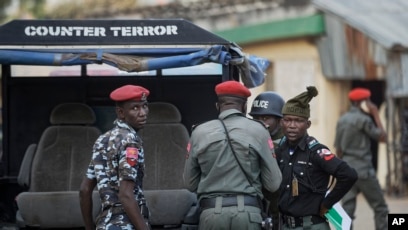
Nigeria’s criminal justice system has demonstrated significant progress in combating terrorism, securing 44 convictions out of 54 individuals tried during Phase 7 of the Kainji Detention Facility Terrorism Trial. This development marks another milestone in the nation’s ongoing battle against violent extremism.
Judicial Milestone in Counter-Terrorism Efforts
The National Counter Terrorism Centre (NCTC) announced these results through a statement released in Abuja by Mr. Michael Abu, Head of Strategic Communication at the Office of the National Security Adviser. The proceedings took place across four Federal High Courts presided over by four justices.
With these latest convictions, Nigeria has now successfully prosecuted 785 terrorism-related cases, including offenses related to terrorist financing. This achievement reflects the country’s intensified efforts to dismantle extremist networks through judicial enforcement.
Severe Sentences Reflect Gravity of Crimes
The convicted individuals received prison sentences ranging from 10 to 30 years, all to be served with hard labor. The NCTC statement emphasized that these punishments underscore “the severity of the crimes and the Nigerian justice system’s resolve to uphold accountability and deter future transgressions.”
The trials commenced on July 9 with an opening ceremony featuring remarks from Maj.-Gen. Adamu Laka, National Coordinator of NCTC-ONSA, representing National Security Adviser Mallam Nuhu Ribadu. The Attorney General of the Federation, Prince Lateef Fagbemi (SAN), was represented by Mohammed Babadoko Abubakar, Director of Public Prosecution.
Previous Convictions Set Strong Precedent
This latest phase follows the successful Phase 6 trials, where courts heard 237 cases resulting in 200 convictions. Those convicted terrorists received sentences ranging from the death penalty and life imprisonment to prison terms of 20 to 70 years, depending on the severity of their crimes.
The convicted individuals were found guilty of particularly heinous acts including:
- Attacks on women and children
- Destruction of religious sites
- Mass killings of civilians
- Abduction of women and children during the brutal assault on Gina Kara Kai community in Borno
Boko Haram’s Legacy of Violence
The convictions come against the backdrop of Boko Haram’s years of terror in northeastern Nigeria. The extremist group has carried out:
- Bloody attacks, kidnappings, and bombings
- Destruction of communities and infrastructure
- Forced displacement of millions
At the peak of their violence (2013-2015), Boko Haram is believed to have:
- Killed up to 30,000 people
- Displaced approximately 2.3 million individuals (including 1.4 million children)
Notable Attacks and Kidnappings
The group’s reign of terror includes several high-profile incidents:
Massacres:
- 2019 Rann attack (60+ killed)
- 2025 Malam Karanti massacre (50+ killed)
Kidnappings:
- 2014 Chibok schoolgirls abduction (276 taken, many still missing)
- 2020 Kankara students kidnapping (333 taken, mostly released)
- 2014 Gumsuri kidnapping (100+ women/children taken, 35 killed)
Recent Attacks:
- October 2024 Ngoshe attack (5 farmers killed, 15 kidnapped)
- 2024 Kwatandashi and Mallam Karamti twin village attack (57 killed, 70+ abducted)
Experts note these represent only a fraction of Boko Haram’s atrocities, as many attacks went unreported or underreported due to security challenges in the region.
Government’s Renewed Commitment
The successful prosecutions demonstrate Nigeria’s strengthened judicial approach to counter-terrorism. Government officials have reaffirmed the nation’s commitment to:
- Upholding justice through lawful means
- Disrupting terrorist financing networks
- Protecting vulnerable populations
- Ensuring accountability for atrocities
As Nigeria continues its counter-terrorism efforts, these convictions send a strong message about the consequences of participating in terrorist activities while offering some measure of justice to victims and their families.
Full credit to the original publisher: Persecond News