




Burna Boy’s World Cup Anthem: A Milestone for African Music’s Global Ascendancy
The Report
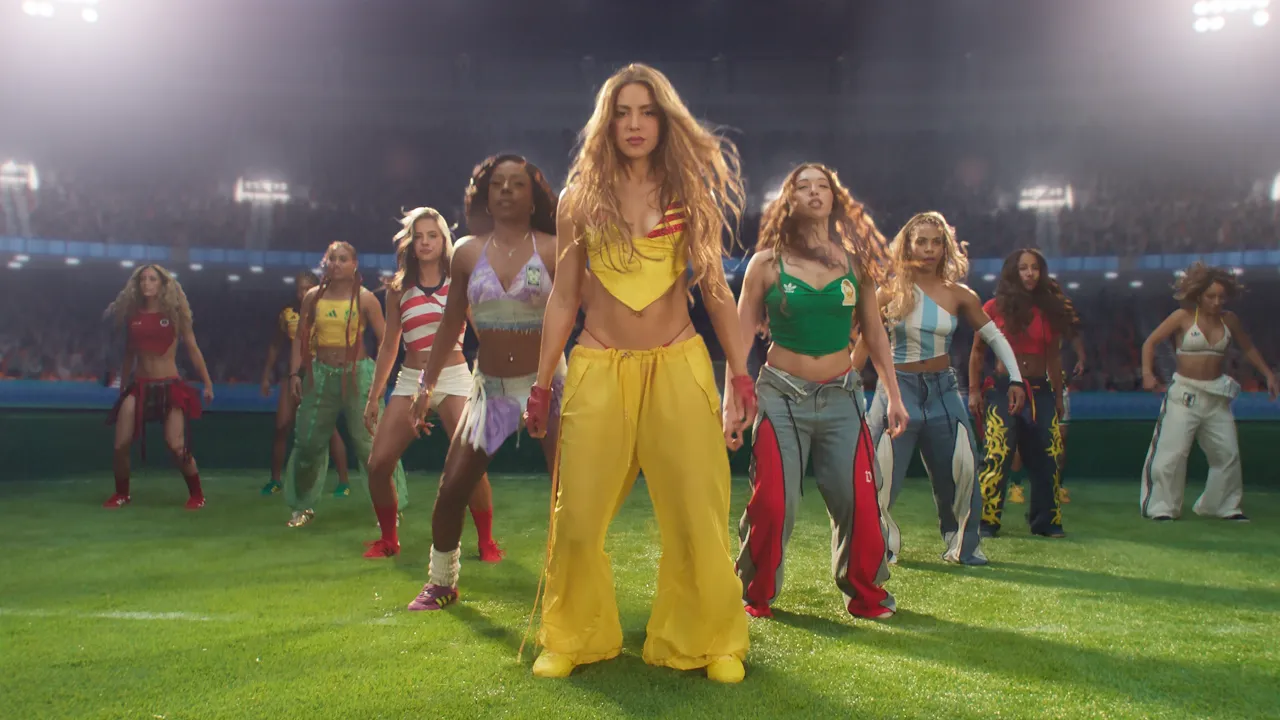
As reported by the original source, global music icon Shakira and Nigerian Afrofusion star Burna Boy have officially released DAI DAI, the official song for the FIFA World Cup 2026. The track blends Shakira’s Latin pop energy with Burna Boy’s Afrofusion sound, creating a stadium-ready anthem designed for the world’s largest sporting event. Shakira’s long-standing connection to football culture—through previous World Cup records—adds another chapter to her catalog, while Burna Boy’s inclusion underscores the continued global rise of African music. The track is expected to soundtrack celebrations across multiple continents during the 2026 tournament.
“The collaboration brings together two globally recognized artists known for creating music that connects across cultures.”
Nigeria Time News Analysis
From a Nigerian and West African perspective, Burna Boy’s selection as a co-lead on the FIFA World Cup 2026 anthem is far more than a musical achievement—it is a strategic geopolitical signal. For decades, World Cup anthems have been dominated by Western and Latin American artists, with African acts often relegated to secondary roles or regional versions. Burna Boy’s equal billing alongside Shakira—a global pop institution—reflects the shifting cultural weight of African music, particularly the Afrofusion and Afrobeats movements that Nigeria has championed.
This development carries tangible economic implications for Nigeria’s creative economy. The World Cup’s global audience, estimated at over 3.5 billion viewers, offers unprecedented exposure for Nigerian music, potentially driving streaming revenue, concert bookings, and brand partnerships for Burna Boy and other Nigerian artists. It also reinforces Nigeria’s position as the cultural engine of West Africa, with ripple effects for the region’s music industries in Ghana, Senegal, and Ivory Coast.
For the Nigerian diaspora, the anthem serves as a point of pride and cultural connection, bridging the gap between their heritage and the global mainstream. It also signals to international brands and event organizers that African talent is no longer a niche addition but a central pillar of global entertainment. The collaboration may encourage FIFA and other major organizations to more consistently integrate African artists into flagship campaigns, potentially reshaping the cultural diplomacy landscape.
Regional Context
Historically, African artists have been underrepresented in global sporting anthems. The 2010 FIFA World Cup in South Africa was a notable exception, featuring a continent-heavy soundtrack, but subsequent tournaments reverted to predominantly Western and Latin lineups. Burna Boy’s inclusion in 2026—alongside Shakira, who previously performed the 2010 and 2014 anthems—marks a return to a more inclusive approach. It also aligns with the broader trend of African music’s commercial and cultural rise, driven by streaming platforms and diaspora networks. For West Africa, where music is both a cultural export and a soft power tool, this moment reinforces the region’s growing influence on the global stage.
Original Reporting By:
Original Source