











NCS Pledges Support for Renewable Energy Trade, Marks 1 Year of Advance Ruling Implementation
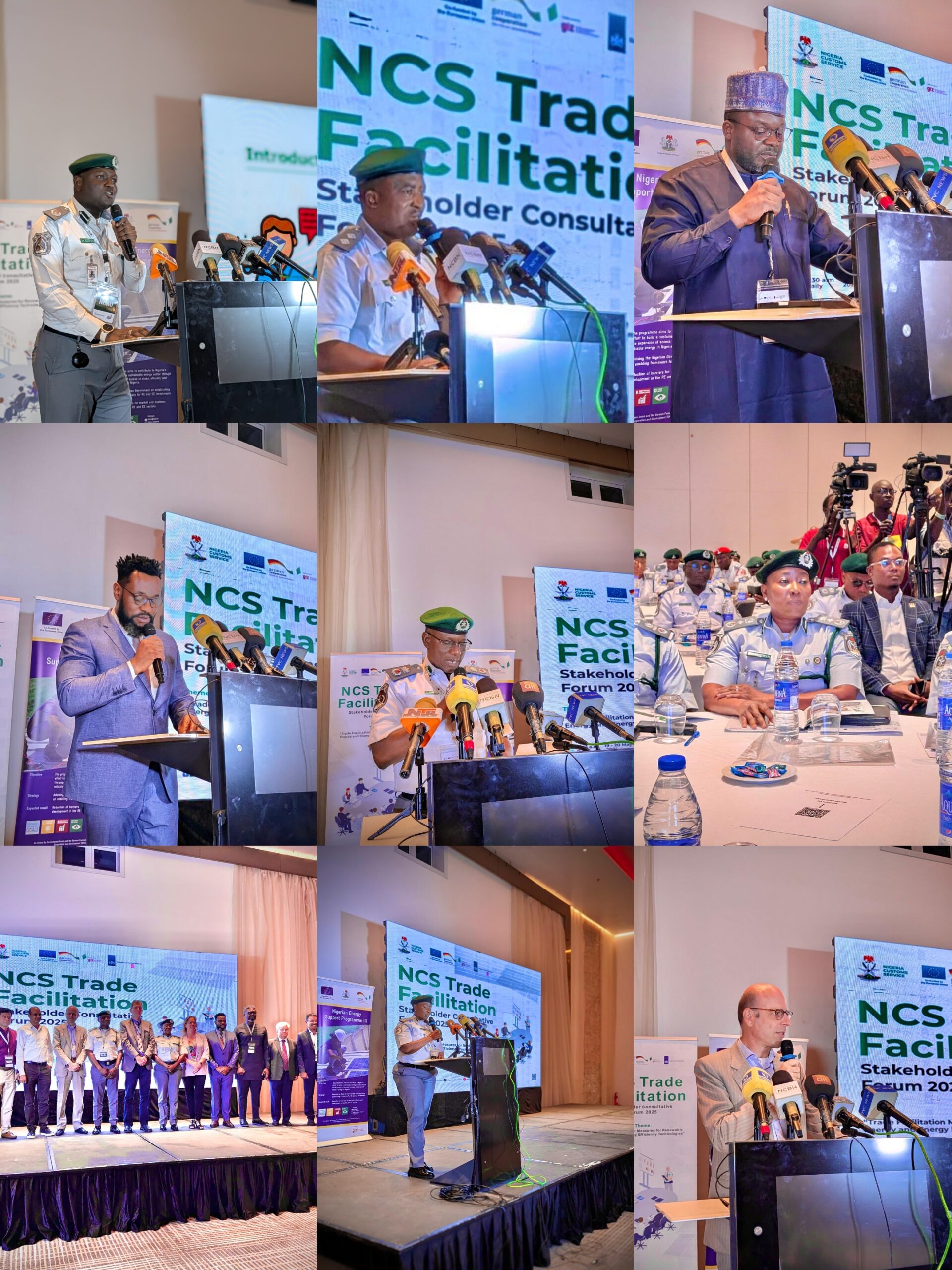
The Nigeria Customs Service (NCS) has reaffirmed its commitment to promoting seamless and sustainable trade operations, with a renewed focus on facilitating the importation of renewable energy technologies.
Customs Leadership Reiterates Commitment to Green Economy
The Comptroller-General of Customs (CGC), Adewale Adeniyi, represented by Deputy Comptroller-General Caroline Niagwan, made this pledge during the 2025 NCS Trade Facilitation Stakeholder Consultative Forum in Lagos. The event also marked the first anniversary of the Advance Ruling Programme implementation.
Key Focus on Renewable Energy Technologies
Held under the theme “Trade Facilitation Measures for Renewable Energy and Energy Efficiency Technologies,” the forum brought together industry stakeholders, development partners, and government officials to discuss Customs’ role in supporting Nigeria’s transition to a low-carbon economy.
DCG Niagwan emphasized: “With the increasing volume of global trade, it has become imperative for Customs administrations to adopt mechanisms that support the seamless flow of legitimate trade. Such mechanisms are essential not only for sustaining international commerce but also for enabling SMEs to benefit from cross-border trade.”
Modernization Initiatives and Environmental Commitments
The NCS highlighted several key initiatives to streamline operations:
- Unified Customs Management System (UCMS)
- Advance Ruling System
- Authorised Economic Operator (AEO) Programme
The DCG also reaffirmed NCS’s support for the Green Customs Initiative and international environmental agreements, stating: “The Nigeria Customs Service plays a pivotal role in supporting national objectives by facilitating renewable energy technology imports and implementing fiscal measures to achieve net-zero emissions by 2060.”
Handbook Launch and Stakeholder Testimonials
A significant outcome of the event was the launch of the Handbook on Import and Export Procedures for Renewable Energy Technologies, designed to guide stakeholders on Customs processes for clean energy equipment.
Markus Wagner of GIZ commended the initiative: “Today’s launch represents another significant step towards improving the ease of doing business in Nigeria.”
Strategic Communication for Trade Facilitation
NCS PRO Abdullahi Maiwada emphasized the role of communication in institutional reforms: “Effective communication enhances credibility, drives economic growth, supports sustainability, and reinforces national energy security.”
The forum concluded with calls for stronger public-private collaboration to advance Nigeria’s green economy agenda.
Source: Neptune Prime