


Nigeria Approves 37 New Crude Oil Evacuation Routes to Combat Theft and Boost Production
Strategic Move to Enhance Oil Sector Security and Transparency
The Nigerian Upstream Petroleum Regulatory Commission (NUPRC) has announced a major development in the country’s efforts to combat crude oil theft and improve production efficiency. The federal government has approved 37 new crude oil evacuation routes as part of a comprehensive strategy to secure the nation’s oil assets.
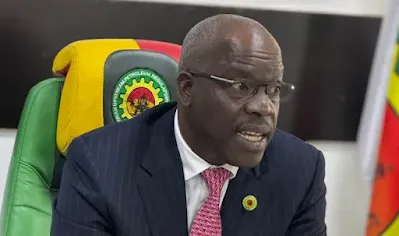
Gbenga Komolafe, Chief Executive Officer of NUPRC, revealed this significant policy shift during his address at the ongoing 2025 Nigeria Oil and Gas (NOG) Energy Week in Abuja. The initiative represents a crucial step in addressing one of the sector’s most persistent challenges.
Multi-Pronged Approach to Oil Sector Reform
Komolafe emphasized that the newly approved evacuation routes, combined with enhanced coordination with security agencies, are already yielding positive results. “These measures are helping reduce theft and improve transparency across the sector,” he stated.
The NUPRC CEO outlined several concurrent initiatives driving Nigeria’s energy transformation:
- Domestic Crude Supply Obligation: Ensuring consistent feedstock for local refineries
- HostComply Platform: Delivering measurable benefits to oil-producing communities
- Digital Transformation: Modernizing regulatory oversight for greater efficiency
Historic Energy Sector Transformation Underway
Komolafe highlighted the remarkable progress made since the implementation of the Petroleum Industry Act (PIA) 2021, noting that Nigeria has attracted over $16 billion in investment commitments in just two years under President Bola Tinubu’s administration.
“The 2024 Executive Orders, particularly those focusing on fiscal incentives, local content, and cost efficiency, have accelerated investment inflows,” Komolafe explained. “These bold reforms have repositioned our oil and gas sector for greater energy security and economic resilience.”
Global Energy Demand and Nigeria’s Strategic Position
The NUPRC chief provided context about global energy needs, noting that oil and gas currently supply over 50% of worldwide energy requirements. “Meeting this demand will require annual upstream investments of $640 billion through 2030, totaling over $4 trillion,” he said.
Komolafe issued a stark warning: “Failure to meet this demand will threaten global stability. Nigeria and Africa cannot afford to ignore this reality.”
One Million Barrels Initiative Driving Production Growth
A centerpiece of Nigeria’s production strategy is the One Million Barrels Initiative, launched in 2024 to revive dormant fields and streamline regulatory processes. The program aims to increase output from 1.46 million barrels per day (bpd) to 2.5 million bpd by 2026.
“With 1.7 million bpd already achieved, the strategy is yielding tangible results,” Komolafe reported. The commission is simultaneously working to integrate climate responsibility into operations, supporting Nigeria’s commitment to achieve net-zero emissions by 2060.
Balancing Energy Needs with Environmental Responsibility
While emphasizing the continued importance of oil and gas to Nigeria’s economy, Komolafe stressed the commission’s commitment to sustainable practices. “We’re implementing measures that ensure energy security while progressing toward our climate goals,” he said.
The approval of 37 new evacuation routes marks a significant milestone in Nigeria’s ongoing efforts to optimize its oil sector, combat theft, and position itself as a reliable energy provider in the global market.
Source: NigerianEye.com