










INEC Reverses Position on ADC Leadership Crisis: Recognizes David Mark After Supreme Court Ruling
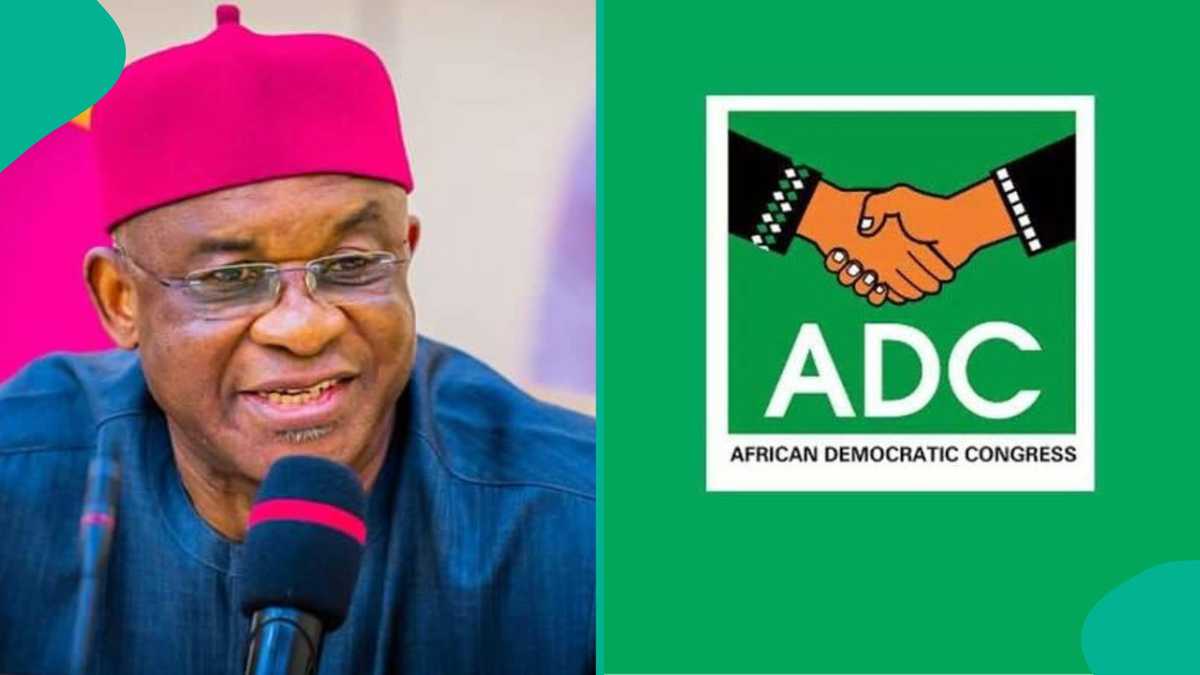
The Independent National Electoral Commission (INEC) has taken a decisive step to realign its stance on the protracted leadership crisis within the African Democratic Congress (ADC). Following a landmark ruling by the Supreme Court of Nigeria, INEC has officially recognized the faction led by former Senate President David Mark as the legitimate leadership of the party.
Background: The ADC Leadership Dispute
The African Democratic Congress, a coalition-adopted political party, has been embroiled in a leadership tussle for months. The dispute pitted the David Mark-led faction against a rival group headed by Nafiu Bala. The conflict centered on who had the legal authority to manage the party’s affairs, including candidate nominations and electoral strategies. Such internal rifts are not uncommon in Nigerian politics, where party leadership often determines access to resources and influence.
The Supreme Court Ruling: A Turning Point
On Thursday, April 30, the Supreme Court delivered a decisive judgment affirming David Mark as the legitimate leader of the ADC. The apex court dismissed an earlier ruling by the Court of Appeal, which had led to INEC’s derecognition of the Mark-led leadership. The Supreme Court’s decision is final and binding, effectively ending the legal ambiguity that had plagued the party.
This ruling is significant because it underscores the judiciary’s role in resolving political disputes. In Nigeria, the Supreme Court has often been the final arbiter in party leadership crises, setting precedents that shape the political landscape. For example, similar rulings have occurred in cases involving the Peoples Democratic Party (PDP) and the All Progressives Congress (APC), where court decisions determined who could legitimately lead the party.
INEC’s Fresh Action: Recognition and Implications
In response to the Supreme Court’s judgment, INEC has reverted its position. The electoral body now recognizes the David Mark-led leadership of the ADC. This means that INEC will accept nominations, candidate lists, and other official communications from this faction. For the ADC, this recognition is crucial for participating in upcoming elections, including local government polls and the 2027 general elections.
INEC’s action also has broader implications for political stability. By adhering to the Supreme Court’s ruling, INEC reinforces the rule of law and discourages factions from pursuing extra-legal means to gain control. However, it also highlights the challenges of coalition parties, where diverse interests often clash over leadership.
Practical Example: What This Means for ADC Members and Voters
For ADC members, this recognition means that the party can now operate without the shadow of legal challenges. Candidates can campaign with confidence, knowing that their nominations are valid. For voters, it ensures that the party they support will have a unified voice in elections, reducing confusion at the polls. In the 2023 general elections, similar leadership disputes in other parties led to voter apathy and legal battles that delayed results. The ADC can now avoid such pitfalls.
Conclusion: A Step Toward Party Unity
The Supreme Court’s ruling and INEC’s subsequent action represent a step toward resolving the ADC’s internal crisis. While the Nafiu Bala faction may still challenge the decision, the legal path is now clear. The ADC must now focus on rebuilding its structures and preparing for future elections. For Nigeria’s democracy, this case serves as a reminder of the importance of judicial independence and the need for political parties to adhere to their constitutions.
All credit goes to the original article. For more information, read the Source link.