










Mastercard’s $200 Million Fraud Prevention and Digital Skills Pledge: What Tinubu’s Courtship Means for Nigeria’s Informal Economy
The Report
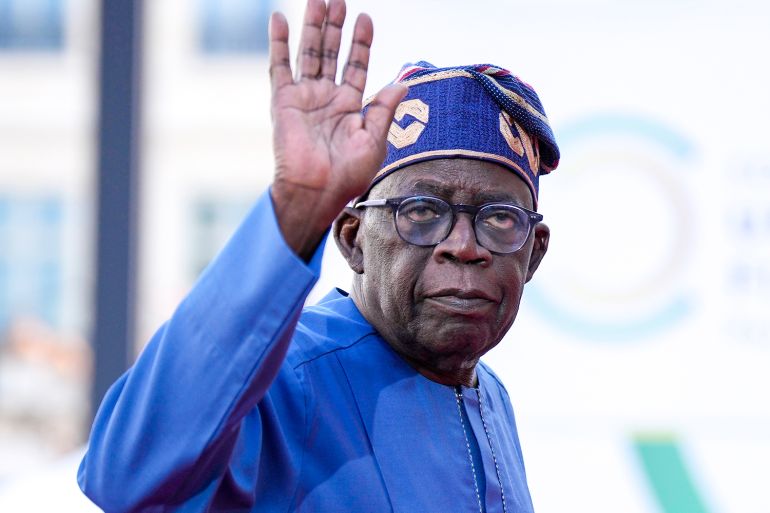
As reported by THEWILL, President Bola Tinubu on Tuesday received a delegation from Mastercard led by Global CEO Michael Miebach at the Presidential Villa in Abuja. Tinubu reaffirmed that Nigeria’s youthful population is the nation’s greatest asset, welcoming Mastercard’s proposal to train five million Nigerian businesses in digital skills. The President highlighted ongoing economic reforms aimed at formalising the informal sector and deepening financial inclusion.
Finance Minister Wale Edun and Taiwo Oyedele, Chairman of the Presidential Fiscal Policy and Tax Reforms Committee, also attended. Oyedele noted that fiscal reforms have led to more than 10,000 informal businesses applying for registration daily. Miebach disclosed that Mastercard currently prevents approximately $200 million in fraud annually and facilitates about $2 billion in foreign exchange inflows. He announced a three-year SME digital skills programme and plans to establish a Cyber Centre of Excellence in Nigeria.
“We recognise the moment that we are in. We spent time with the CBN Governor and had an opportunity to meet the leading bankers yesterday in Lagos to see where everything is going and the opportunity here to unlock the power of the 40 million SMEs in Nigeria, to really connect the diaspora to the homeland and ensure Nigeria is the most thriving and biggest economy on the continent.” — Michael Miebach, Mastercard CEO
Nigeria Time News Analysis
From a Nigerian policy perspective, this meeting signals a strategic alignment between the Tinubu administration’s economic reform agenda and Mastercard’s expanding footprint in Africa’s largest economy. The President’s emphasis on the informal sector is not merely rhetorical; it reflects a core pillar of his administration’s fiscal strategy. With over 40 million SMEs operating largely outside the formal economy, the government’s push for digital registration and tax compliance is a high-stakes gamble. If successful, it could unlock billions in untaxed revenue and credit access. If mismanaged, it risks alienating small business owners who view formalisation as a burden rather than an opportunity.
Mastercard’s pledge to train five million businesses is significant, but the devil lies in execution. Nigeria’s digital infrastructure remains uneven, with rural areas lacking reliable internet and electricity. The company’s $200 million fraud prevention figure underscores the scale of cyber risk in a rapidly digitising economy. The proposed Cyber Centre of Excellence could become a regional hub for threat intelligence, but its impact will depend on collaboration with Nigerian banks and fintechs, which already account for five of Africa’s nine fintech unicorns.
Looking at the broader ECOWAS implications, Mastercard’s commitment to “drive the intra-African digital economy” aligns with the African Continental Free Trade Area (AfCFTA) objectives. However, Nigeria’s dominance in fintech could create tensions with smaller West African neighbours, who may view this as a Lagos-centric digital colonisation. The diaspora angle is equally critical: Miebach’s mention of connecting the diaspora to the homeland taps into a $20 billion annual remittance market. If Mastercard’s platform reduces transaction costs and improves transparency, it could significantly boost diaspora investment in Nigerian SMEs.
Historically, foreign investment pledges in Nigeria have often fallen short of implementation. The Tinubu administration must ensure that Mastercard’s three-year programme includes measurable milestones and local oversight. The President’s reference to the Bank of Industry (BOI) database suggests a desire for government-led coordination, but bureaucratic inefficiencies remain a risk. For Nigeria’s youth, the promise of digital skills training is welcome, but without corresponding job creation in the formal sector, it risks producing a generation of overqualified freelancers in a gig economy with limited protections.
Regional Context
Mastercard’s deepening engagement in Nigeria comes amid a broader trend of global payment companies pivoting to Africa. In 2023, Visa invested $1 billion in African fintech, while Mastercard acquired a minority stake in Airtel Africa’s mobile money business. Nigeria’s fintech ecosystem, valued at over $3 billion, is the continent’s largest, but regulatory uncertainty—particularly around cryptocurrency and data privacy—remains a concern. The Central Bank of Nigeria’s recent push for a central bank digital currency (e-Naira) has yet to gain widespread adoption, highlighting the gap between policy ambition and consumer behaviour. Mastercard’s partnership with Nigerian banks could bridge this gap, but only if the company navigates the country’s complex regulatory landscape with agility.
Original Reporting By:
THEWILL