











Louvre Fortifies Apollo Gallery with Metal Bars in Wake of $102 Million Jewel Heist
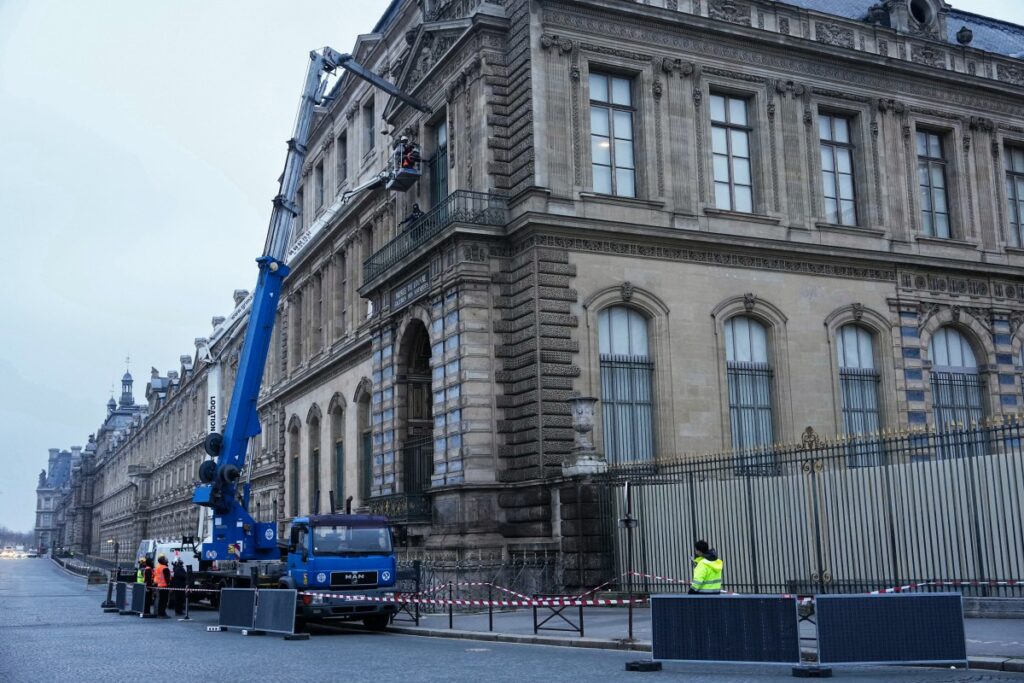
PARIS – In a stark visual response to one of the most audacious art thefts in recent history, the Louvre Museum has installed heavy metal bars over the windows of its famed Apollo Gallery, the precise point of entry for thieves who stole crown jewels valued at an estimated $102 million in October.
The installation, completed Tuesday, marks a tangible step in the museum’s urgent security overhaul, but also raises broader questions about the balance between preserving historic architecture and implementing modern protection in an era of increasingly bold criminal tactics.
A Reactive Measure with Historical Echoes
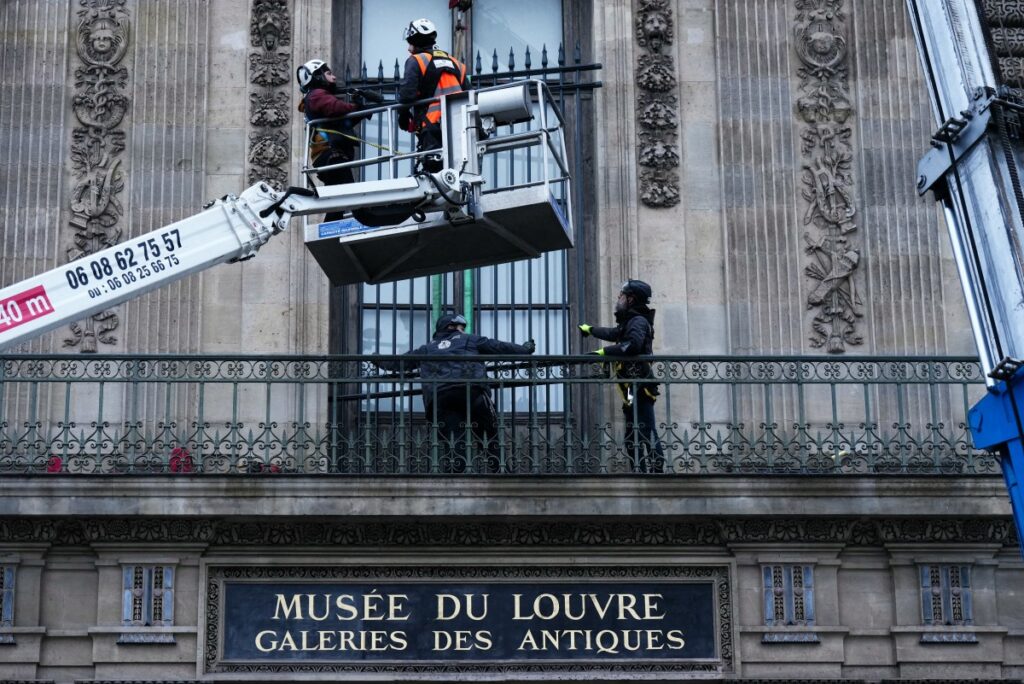
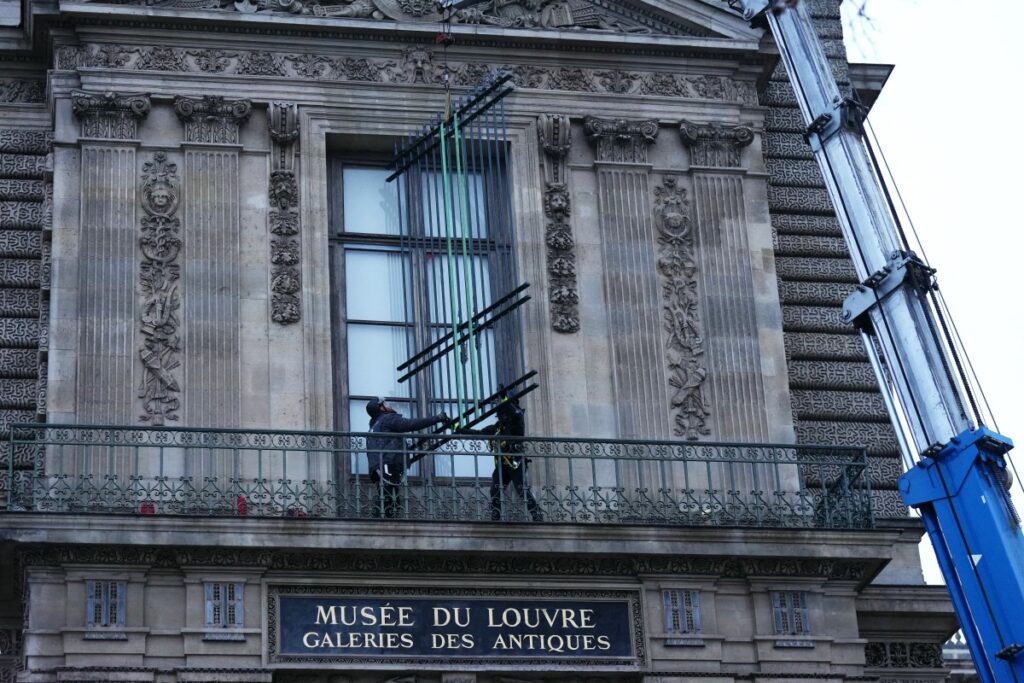
According to Louvre deputy administrator Francis Steinbock, the bars represent “one of the emergency measures decided after the theft.” Workers used a crane to position the large grille over the gallery’s tall French door windows—a scene more reminiscent of a fortress than a palace of art.
This is not the first time bars have guarded this space. Louvre director Laurence des Cars informed lawmakers that a similar grille had been removed during restoration work between 2003 and 2004. Its reinstatement, promised “before Christmas,” underscores a sobering reassessment of security assumptions made just two decades ago.
“We had committed to doing it before the end of the year,” Steinbock confirmed, noting discussions are ongoing regarding “securing the other windows.”
Scrutiny on World’s Most Visited Museum
The physical bars are the most visible component of a multi-layered security crisis facing the Louvre. The October 19th heist was executed with startling simplicity and brazenness: thieves parked a truck with an extendable ladder below the gallery, clambered up, smashed a window, and used angle grinders to breach display cases in broad daylight.
In the aftermath, the museum’s security protocols have faced intense scrutiny. Beyond the bars, Steinbock outlined other measures, including the deployment of a dedicated police unit within the museum and a project to enhance video surveillance. The Louvre also recently announced the completion of anti-intrusion measures around the museum’s perimeter.
The Lingering Questions
While the bars address a specific vulnerability, the heist exposes systemic challenges. The incident highlights the unique risk profile of museums that are also historic monuments. Adapting 21st-century security to 18th-century architecture without compromising aesthetic and historical integrity is a persistent dilemma.
Furthermore, the fate of the stolen jewels—treasures of immense historical and cultural value to France—remains unknown. Their absence is a silent indictment of the security lapse and a driving force behind the current hardening of the museum.
The installation of the bars is a defensive, necessary action, but it is ultimately a reaction. The true test for the Louvre’s administration will be developing a proactive, comprehensive security strategy that protects its priceless collections without turning the “Mona Lisa”‘s home into an impenetrable bunker. For now, the iron over the Apollo Gallery’s windows stands as a powerful symbol of a revered institution grappling with its own vulnerability.
This report is based on information from a primary source: Channels Television.