Governor Mbah’s Visit to Jim Nwobodo: A Symbolic Gesture in Enugu’s Political Landscape
An analysis of the political and cultural significance behind the governor’s visit to an elder statesman.
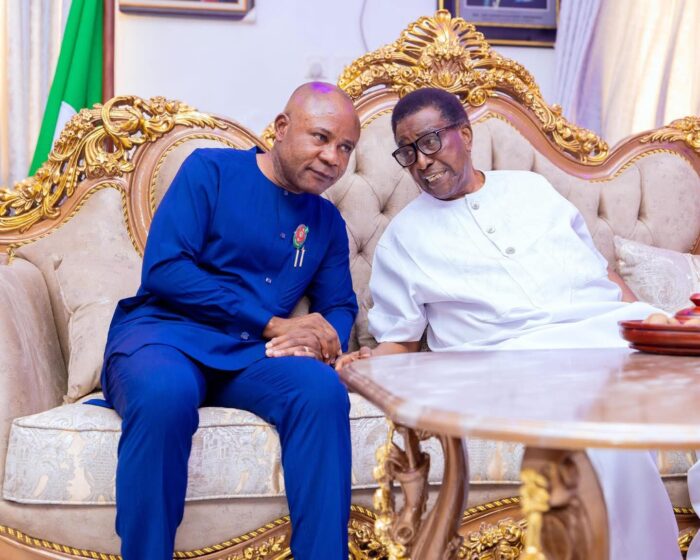
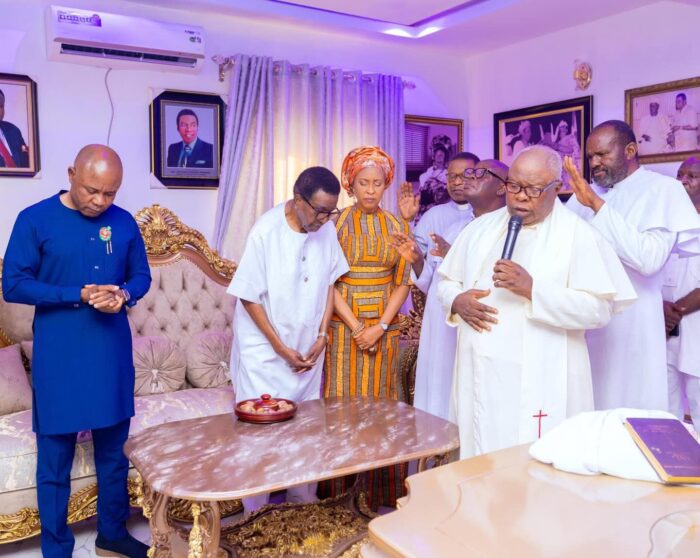
In a move rich with political symbolism, Enugu State Governor Peter Mbah visited elder statesman Chief Jim Nwobodo at his country home in Amechi Awkunanaw this past Sunday. The occasion was the commissioning of Chief Nwobodo’s new Obi, or traditional ruler’s residence. While framed as a cultural event, political analysts view the visit as a significant nod to legacy and continuity within the state’s complex political ecosystem.
More Than a Courtesy Call: The Weight of History
Chief Jim Nwobodo is not merely a former governor. He is a foundational figure in the political history of southeastern Nigeria. As the first civilian Governor of the old Anambra State (which included present-day Enugu), a former Senator, and a former Minister, Nwobodo’s career spans decades of Nigeria’s democratic and military eras. His influence, particularly among the political class and traditional institutions in Enugu, remains considerable.
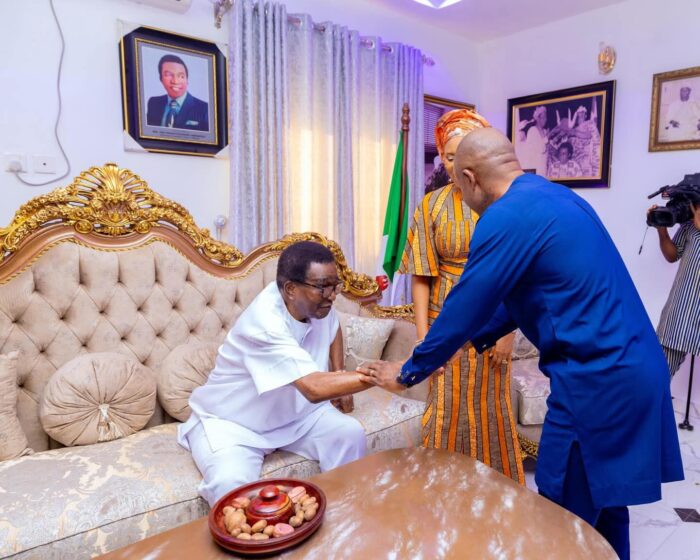
Governor Mbah’s presence at the commissioning of the Obi—a seat of traditional authority—is a multilayered gesture. On one level, it is a mark of respect for an elder and a predecessor. On another, it represents a strategic alignment with a respected voice whose endorsement carries weight across generational and political lines. In his remarks, Governor Mbah emphasized this, stating, “Chief Nwobodo remains one of the towering elder statesmen of our time, whose life of service helped lay enduring foundations for governance, culture, and political leadership in our state and beyond.”
The ‘So What’ for Enugu’s Governance
For observers of Nigerian politics, such visits are rarely just social. They are often interpreted as efforts to consolidate support, bridge divides, and seek counsel. Governor Mbah, who has embarked on an ambitious agenda focused on economic transformation and infrastructure in Enugu, may be leveraging this visit to foster a sense of political unity and historical continuity. By publicly honoring Nwobodo’s legacy, Mbah aligns his administration with a tradition of leadership while potentially neutralizing opposition from factions still loyal to the elder statesman.
The governor’s own words underscore this intent: “I was honored to share in this occasion, which reminds us that true progress is built on respect for legacy, elders, and the institutions that hold our communities together.” This statement frames his development-focused administration as one that is still rooted in cultural respect and political tradition—a balancing act crucial for many Nigerian leaders.
Context: The Role of Elder Statesmen in Nigerian Politics
In Nigeria, figures like Jim Nwobodo operate as political godfathers and consensus builders. Their homes often serve as informal courts where disputes are settled and strategies are forged. A sitting governor’s visit reinforces the importance of these informal institutions alongside formal government structures. It signals to the political class and the public that the governor is attentive to the established order, even while pushing for change.
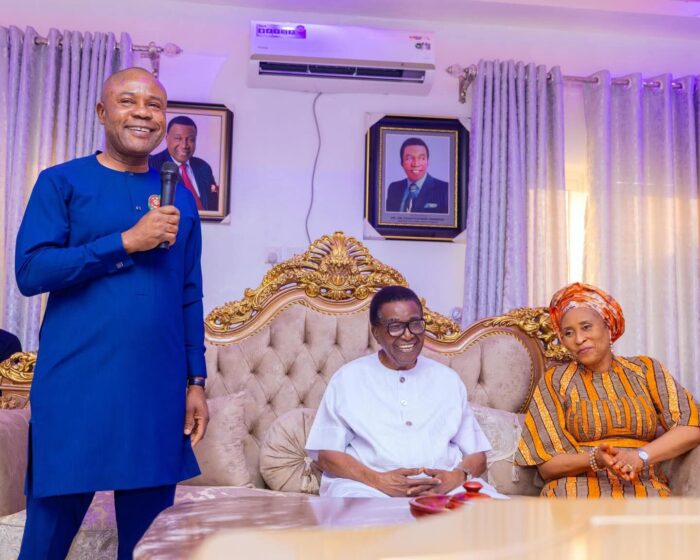
The commissioning of the Obi itself is significant. It highlights the enduring interplay between modern governance and traditional authority in Nigeria. By participating, Governor Mbah acknowledges the dual systems of influence that govern societal cohesion in the state.
Analysis: A Strategic Move in a Challenging Environment
Governor Mbah’s administration has faced its share of challenges, including debates over policy and resource allocation. Engaging with a respected figure like Nwobodo can be seen as a strategic effort to build a broader coalition of support. It is a public relations exercise that projects humility, respect, and political intelligence. It assures stakeholders that the governor is not an outsider disrupting tradition but a leader building upon it.
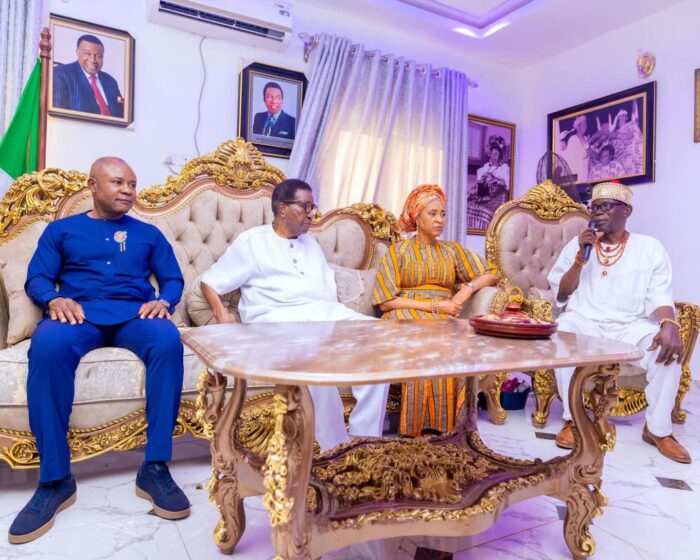
Ultimately, while the event was a local ceremony, its implications are woven into the broader tapestry of Nigerian politics, where the past is constantly invoked to legitimize the present and shape the future. The visual record of the visit, showing the interaction between the two leaders, will likely be circulated as a powerful symbol of this connection.
Primary Source: This report is based on information first published by Dateline Nigeria.