











Wike’s Political Survival Gamble: Fubara’s 2027 Ambition Sparks High-Stakes Power Struggle in Rivers State
Analysis by our Politics Desk | Primary source: Legit.ng
The political landscape of Rivers State, Nigeria’s oil-rich economic powerhouse, is fracturing under the weight of a bitter and public feud, with implications that could reshape national politics ahead of the 2027 general elections. At the heart of the conflict is a stark declaration from Nyesom Wike, the Minister of the Federal Capital Territory (FCT), who has framed the upcoming gubernatorial contest as an existential threat to his own political career.
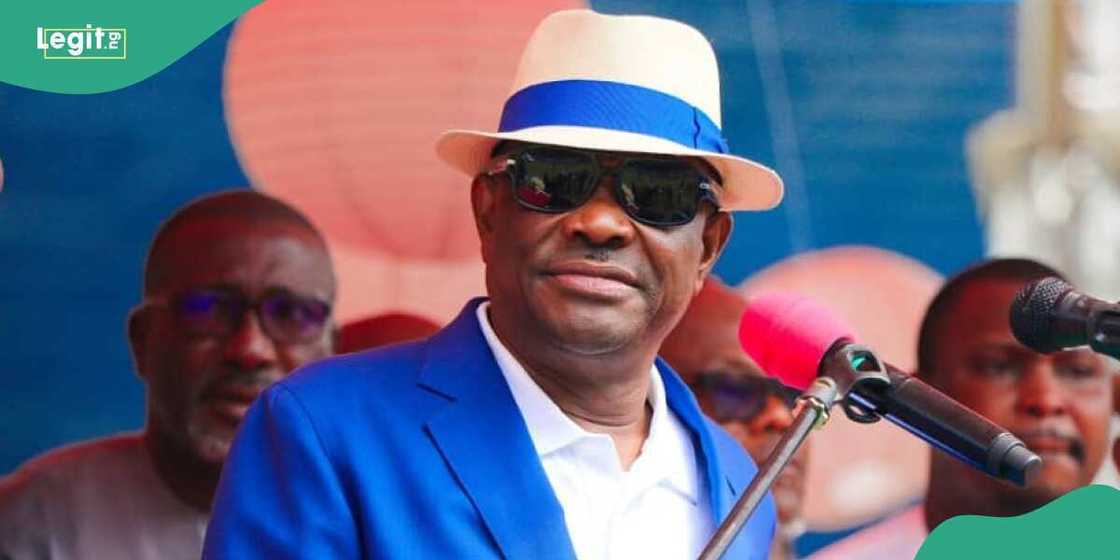
Source: Facebook
The Stakes: A Battle for Political Legacy and Control
Speaking at a stakeholders’ meeting in Okrika Local Government Area, Wike left no room for ambiguity. Citing a report by The Cable, he stated that if the incumbent Governor, Siminalayi Fubara, secures a second term in 2027, it would mean political oblivion for him. “If we make another mistake, then we will go and bury ourselves politically. I will not allow myself to be buried,” Wike was quoted as saying. This language transcends typical political rivalry; it frames the situation as a zero-sum game of survival.
This public ultimatum is the latest escalation in a saga that began with a controversial peace deal brokered by President Bola Tinubu in late 2023. Wike has repeatedly accused Fubara of reneging on the terms of that agreement, which was intended to resolve a crisis that saw the state assembly divided and impeachments threatened. Wike’s latest comments suggest the truce has completely collapsed, transforming from a behind-the-scenes negotiation into an open war for the soul of Rivers politics.
The 2027 Calculus: Party Lines Blur in a Personal Feud
Complicating the drama is the fluid party affiliation of the key players. Wike, a former governor of Rivers under the Peoples Democratic Party (PDP), now serves in the cabinet of President Tinubu, who leads the All Progressives Congress (APC). Governor Fubara, Wike’s successor and protégé, was elected under the PDP but is now rumored to be considering a defection to the APC.
In a revealing twist, the APC National Chairman, Prof. Nentawe Yilwatda, added fuel to the fire by declaring Governor Fubara as the “leader of the APC in Rivers State.” While Yilwatda clarified that the party would hold primaries and support whoever emerges, his acknowledgment of Fubara’s potential leadership role within the APC directly challenges Wike’s influence in the very party he has aligned with at the national level.

Source: Facebook
Analysis: Beyond Personality Clash, a Struggle for Structure
Expert observers note this conflict is more than a personal falling out. It represents a critical struggle for control of the political “structure” in Rivers State—the network of loyalists, financiers, and grassroots mobilizers that determines electoral outcomes. Wike, having built this structure over decades, views Fubara’s independent success as a direct dismantling of his life’s work and his future relevance. For Fubara, consolidating power requires escaping the shadow of his predecessor and establishing his own base, even if it means switching parties.
The implications are national. Rivers State is a prime electoral prize with a massive vote count. How this internal crisis resolves will significantly impact the fortunes of both the APC and PDP in the South-South region during the 2027 presidential election. President Tinubu’s administration now faces a delicate balancing act: managing a valuable but volatile ally in Wike while potentially welcoming a sitting governor into the APC fold.
What Comes Next: A Long Campaign Season Begins
With the 2027 election nearly three years away, this early and vehement positioning signals an unusually extended and intense campaign season for Rivers State. Wike’s promise to “disclose details of the agreement” that brought Fubara back to power hints at more revelations designed to undermine the governor’s credibility.
The coming months will test the resilience of state institutions, the loyalty of lawmakers and local government chairmen, and the appetite of Rivers’ electorate for a political battle that is increasingly framed not around development, but around the survival of two powerful men. One thing is clear: in the high-stakes politics of Nigeria’s Niger Delta, there are no permanent friends, only permanent interests, and the fight for Rivers State has just entered a more dangerous phase.
Source: This analysis is based on reporting from Legit.ng, which cited statements from Nyesom Wike and Prof. Nentawe Yilwatda as reported by The Cable and Daily Trust.