










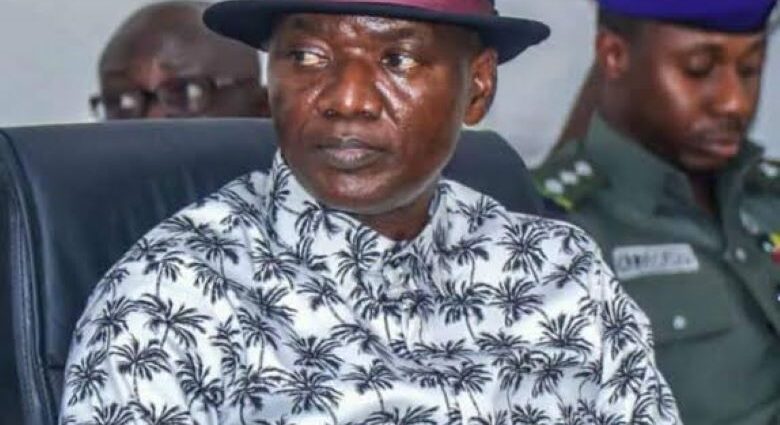
Bayelsa Deputy Governor’s Impeachment Notice Challenged Over Legal Service Procedure
A coalition of Bayelsa indigenes has raised serious concerns about the legality of how impeachment proceedings were initiated against Deputy Governor Lawrence Ewhrujakpo, arguing the process violated constitutional requirements from the outset.
Political Fallout Over Party Loyalty
The controversy stems from Ewhrujakpo’s refusal to follow Governor Duoye Diri and state assembly members in defecting from the Peoples Democratic Party (PDP) to the All Progressives Congress (APC) last month. This political stand has reportedly created tension within the state’s leadership, with the deputy governor now facing impeachment allegations.
Hon Patrick Michael, speaking on behalf of the Indigenes Without Borders Foundation (IWBF), told journalists in Abuja that the impeachment notice service was fundamentally flawed. “The deputy governor was served through newspaper publication rather than personal service as required by law,” Michael explained. “This isn’t just about technicalities—it’s about following due process and respecting constitutional democracy.”
Impeachment Allegations and Legal Response
The impeachment notice, dated October 15, 2025, and signed by 14 assembly members, accuses Ewhrujakpo of gross misconduct, abandoning official duties, and failing to resign his PDP membership during a political realignment meeting. The lawmakers claim these actions warrant investigation under constitutional provisions.
However, the Federal High Court in Abuja has intervened. Justice Emeka Nwite has ordered the Bayelsa State House of Assembly, its Speaker, and five other parties to appear before the court to justify why impeachment proceedings should continue. The court’s November 13 hearing date sets the stage for a crucial legal battle over the impeachment’s validity.
Constitutional Questions at Stake
Ewhrujakpo’s legal team has raised multiple constitutional arguments, including alleged violations of Section 188 of the Nigerian Constitution governing impeachment procedures. The deputy governor seeks court orders preventing his removal over his decision to remain with the PDP, protection of his security detail, and halting any recognition of a potential replacement.
Political analysts observe that this confrontation signals deepening divisions within Bayelsa’s political structure. The situation represents a critical test for Nigeria’s democratic institutions, particularly regarding the independence of elected officials and proper adherence to constitutional procedures during political realignments.
As the legal process unfolds, all eyes remain on whether the courts will uphold the technical challenges to the impeachment process or allow the political confrontation to proceed through legislative channels.
All credit goes to the original article, for more information read the: Source link