











Youth Leader Urges NSA to Deploy Special Forces to Combat Escalating Banditry in Katsina’s Malumfashi-Bakori-Kankara Axis
A Desperate Plea for Intervention
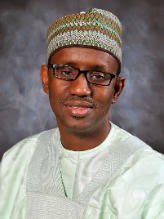
In a dramatic appeal that underscores the worsening security situation in northern Nigeria, Abdulaziz Abdulaziz, the Sardaunan Matasan Malumfashi (Youth Leader of Malumfashi), has issued an urgent call for military reinforcement to combat rampant banditry in Katsina State’s vulnerable communities.
The Crisis Reaches Breaking Point
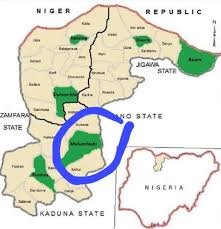
Through an open letter addressed to National Security Adviser Malam Nuhu Ribadu, the youth leader painted a grim picture of daily atrocities plaguing the Malumfashi-Bakori-Kankara axis. “The spate of killings, kidnappings, and displacement has reached unbearable levels,” Abdulaziz stated, describing how entire communities now live under siege.
Schools stand empty as parents fear for their children’s safety. Farmlands lie fallow – a particularly devastating blow in this agricultural region. Local economies crumble as markets shutter and transportation becomes perilous. “The people are suffocating,” the letter poignantly concludes.
Proposed Solution: Month-Long Military Surge
Abdulaziz’s proposal calls for more than temporary patrols. He advocates a 30-day intensive military operation involving coordinated efforts between:
- Nigerian Army Special Forces
- Air Force surveillance and strike capabilities
- Mobile Police (MOPOL) units
- Department of State Services (DSS) intelligence operatives
“A focused, time-bound deployment could dislodge these armed criminals,” the youth leader argued, emphasizing that sustained pressure might finally break the cycle of violence.
Appeal to Political Leaders
The letter takes an unusual step by directly addressing Alhaji Ibrahim Kabir Masari, Senior Special Assistant to the President on Political Matters. “Your people need you now more than ever,” Abdulaziz writes, leveraging Masari’s local connections and political influence to amplify the community’s cry for help.
This dual-pronged approach – appealing to both security and political leadership – reveals the sophistication of the appeal. It frames the crisis not just as a security challenge, but as a humanitarian emergency demanding all-of-government response.
Why This Axis Matters
The Malumfashi-Bakori-Kankara corridor has become a hotspot in Nigeria’s banditry epidemic due to:
| Factor | Impact |
|---|---|
| Proximity to forests | Provides bandits with hideouts and escape routes |
| Border region | Allows cross-border movement of criminals |
| Agricultural wealth | Makes communities targets for extortion |
Recent months have seen attacks grow bolder – with bandits reportedly operating in broad daylight, setting up illegal checkpoints, and imposing “taxes” on terrified residents.
A Test for Nigeria’s Security Strategy
Security analysts note this appeal comes as Nigeria grapples with balancing counterterrorism efforts against Boko Haram in the northeast with the banditry crisis in the northwest. The letter’s specific request for Special Forces rather than regular troops suggests local leaders believe conventional approaches have failed.
“We keep faith in your leadership,” Abdulaziz concludes, striking a delicate balance between desperation and diplomacy. The appeal references Ribadu’s reputation as an anti-corruption crusader, subtly positioning this as both a security and governance challenge.
What Success Would Require
Military experts suggest any effective operation would need:
- Precise intelligence on bandit hideouts
- Air surveillance to monitor remote areas
- Roadblocks to restrict criminal movement
- Community informant networks
- Post-operation stabilization measures
Critically, the one-month timeframe proposed recognizes that bandits often simply wait out short-term deployments. A sustained presence could disrupt their operations long enough for communities to regain footing.
Human Cost Beyond Statistics
Behind the strategic calculations lies profound human suffering. The letter highlights how violence disproportionately affects society’s most vulnerable – children missing education, women risking attack to fetch water, elderly farmers losing lifelong livelihoods.
As Nigeria approaches election cycles, such security crises carry political ramifications. Abdulaziz’s appeal serves as both a cry for help and a reminder that citizen patience wears thin when basic safety remains elusive.
Full credit to the original publisher: The Syndicate