











Senate Approves President Tinubu’s $21 Billion Loan Plan for 2025-2026 Fiscal Cycle
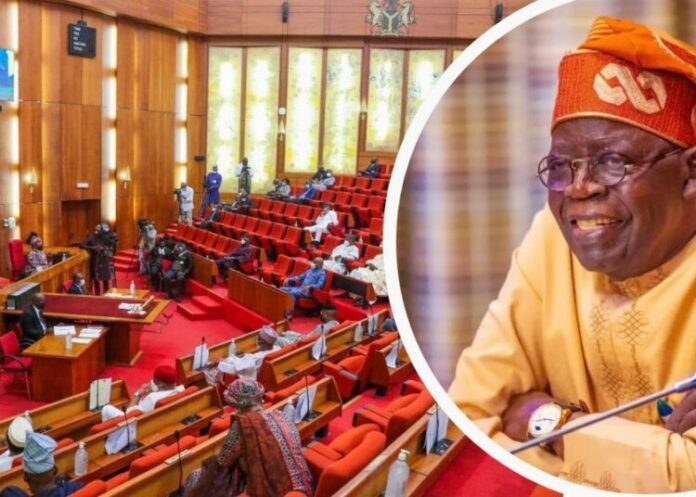
ABUJA – Nigeria’s Senate has granted approval for President Bola Tinubu’s ambitious external borrowing plan totaling over $21 billion to fund critical national development projects during the 2025-2026 fiscal years.
Comprehensive Funding Package Approved
The landmark approval came during Tuesday’s plenary session in Abuja, where lawmakers endorsed a multi-currency borrowing package designed to boost infrastructure, security, agriculture, and human capital development across the nation.
Senator Aliyu Wamako, Chairman of the Senate Committee on Local and Foreign Debt, presented the detailed report which had been pending since May 27, 2025. Wamako explained the delay resulted from parliamentary recesses and documentation challenges with the Debt Management Office (DMO).
The approved financial package includes:
- $21.19 billion in direct foreign loans
- €4 billion (euros)
- ¥15 billion (Japanese yen)
- $65 million grant component
- ₦757 billion in domestic borrowing through government bonds
Budget Integration and Legislative Process
Senator Olamilekan Solomon (Ogun West), Chairman of the Senate Committee on Appropriations, clarified that most borrowing items had already been incorporated into the Medium-Term Expenditure Framework (MTEF) and the 2025 Budget.
“With this approval, we now have all revenue sources, including loans, in place to fully fund the budget,” Senator Solomon stated, emphasizing the procedural nature of the final approval.
Key Projects to Benefit from Loan Package
The massive borrowing plan will finance several strategic national projects including:
- Railway infrastructure (particularly the Eastern Rail Line from Port Harcourt to Maiduguri)
- Power generation and digital connectivity initiatives
- National security operations
- Agricultural development programs
- Affordable housing projects
Mixed Reactions from Lawmakers
The approval generated vigorous debate among senators, with some expressing strong support while others raised concerns about transparency and accountability.
Senator Sani Musa (Niger East) defended the borrowing plan, noting: “There’s no economy that grows without borrowing. What we are doing is in line with global best practices.” He emphasized that Nigeria maintains a clean repayment record on existing loans.
Senator Adetokunbo Abiru (Lagos East), Chairman of the Banking Committee, reassured colleagues that all loans comply with Nigeria’s Fiscal Responsibility Act and Debt Management Act, featuring favorable long-term repayment conditions of 20-35 years.
However, Senator Abdul Ningi (Bauchi Central) called for greater transparency: “We need to tell our constituents exactly how much is being borrowed in their name, and for what purpose,” citing constitutional provisions on borrowing oversight.
Regional Development Impact
Senator Victor Umeh (Anambra Central) voiced strong support, particularly highlighting the $3 billion allocation for the Eastern Rail Line reconstruction. “That alone justifies my full support,” Umeh stated, emphasizing the project’s importance for South-East development.
Deputy Senate President Jibrin Barau praised the comprehensive nature of the development plan, stating: “The entire nation is being carried along. This shows that the Renewed Hope Agenda is working. No region is left out.”
Accountability Measures
The Senate leadership emphasized strict compliance with public finance laws, mandating that all disbursed funds must be used exclusively for approved capital and developmental projects. Lawmakers pledged rigorous oversight to ensure proper utilization of the borrowed funds.
This landmark approval positions Nigeria to access critical international financing while sparking debates about the nation’s growing debt profile and the effectiveness of previous borrowing initiatives.
For more details, visit the original source at Neptune Prime.