










The Report
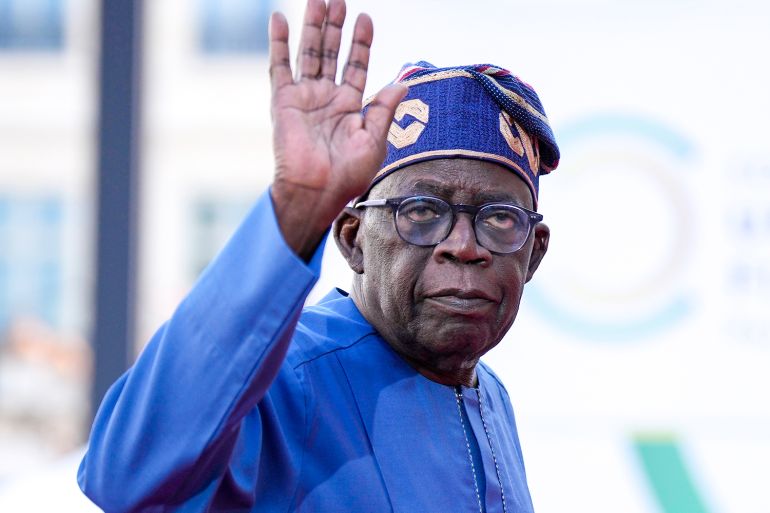
As reported by the New Diplomat’s Abiola Olawale, President Bola Ahmed Tinubu used his Eid-el-Kabir address on Tuesday to reassure Nigerians that the administration’s sweeping socio-economic and structural reforms are yielding measurable results. Speaking ahead of the 2026 festival, the President acknowledged the heavy sacrifices borne by citizens over the past three years but declared that the period of deep economic uncertainty is ending.
Tinubu stated that the aggressive fiscal policy shifts were necessary to avert structural collapse and that the nation is now emerging from what he described as a “dark tunnel.” He pointed to a more stable economy and improved investment attractiveness as early dividends of the reform agenda.
“The reforms we have undertaken are challenging but necessary to build a stronger and more prosperous Nigeria for future generations,” Tinubu said. “The walk through the dark tunnel is over, and the light is here.”
The President also addressed security concerns, acknowledging ongoing attacks by terrorists and bandits despite recent successes—including the elimination of a wanted ISIS leader. He assured affected communities they are “neither abandoned nor forgotten” and pledged that security forces would ultimately defeat all “forces of evil.”
Nigeria Time News Analysis
From a governance perspective, President Tinubu’s Eid-el-Kabir message represents a calibrated attempt to manage public expectations while signalling that the most painful phase of Nigeria’s economic restructuring is behind it. The reference to a “dark tunnel” ending is significant: it suggests the administration believes the worst of the inflation and currency volatility triggered by fuel subsidy removal and forex unification is now receding. For Nigerian households and businesses that have endured a 30%+ inflation rate and a naira that lost over half its value, this is a critical inflection point—if the data supports it.
However, the President’s security assurances must be weighed against the lived reality in large swaths of the North-West and North-Central, where banditry and kidnapping remain endemic. The mention of a “wanted ISIS leader” being eliminated is a rare operational detail from the presidency, likely intended to demonstrate that the military’s counter-terrorism efforts are producing tangible results. For the diaspora community—many of whom cite insecurity as a barrier to return or investment—this dual message of economic stabilisation and security progress is designed to rebuild confidence.
Within the ECOWAS context, Nigeria’s economic trajectory has direct implications for regional trade, currency stability, and migration patterns. A more stable Nigerian economy could ease pressure on neighbouring countries like Benin, Niger, and Ghana, which have absorbed spillover effects from Nigeria’s inflation and fuel shortages. Conversely, if security gains are not sustained, the risk of cross-border insurgent activity—particularly from factions linked to ISIS-West Africa—remains a concern for the entire Sahel region.
Regional Context
Historically, Nigerian presidential addresses during major religious festivals have served dual purposes: spiritual reflection and political reassurance. Tinubu’s 2026 Eid-el-Kabir speech follows a pattern established by previous administrations, but with a sharper focus on economic reform justification. The reference to “sacrifice bringing reward” echoes the language of structural adjustment programmes seen across Africa in the 1980s and 1990s, though Nigeria’s current reforms are being implemented in a more democratic and media-saturated environment. The President’s call for prayers for “those who commit crimes” to “rethink and abandon their evil ways” also reflects a broader regional debate about the limits of military force versus community-based reconciliation in counter-insurgency efforts.
Original Reporting By: New Diplomat