










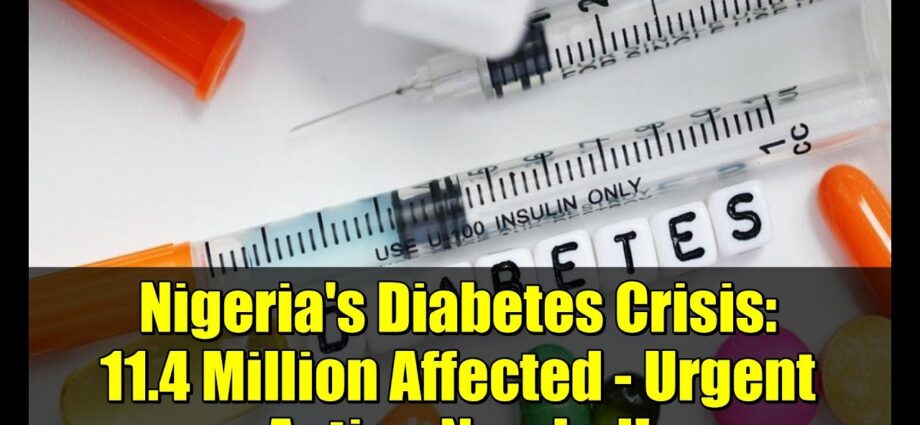
Diabetes Crisis Deepens in Nigeria as 11.4 Million Live With the Disease
As the world marks World Diabetes Day, a stark health alert has been issued for Nigeria, where an estimated 11.4 million people are now living with diabetes, a figure that far surpasses previous international estimates and signals a growing public health emergency.
Call for National Emergency and Sugar Tax
The Corporate Accountability and Public Participation Africa (CAPPA) is amplifying calls from the Diabetes Association of Nigeria (DAN) for the Federal Government to declare a national emergency on diabetes care. The organization is also pushing for a significant increase in the tax on sugar-sweetened beverages (SSBs) to both deter consumption and generate much-needed funds for the country’s strained healthcare system.
In a statement released ahead of the global commemoration, CAPPA described the situation as “alarming,” noting that diabetes is responsible for approximately 30,000 Nigerian deaths annually. The 11.4 million figure is particularly troubling when contrasted with the International Diabetes Federation’s earlier projection of a 3% prevalence rate, which equated to roughly 2.99 million adults.
The Crushing Cost of Care
Compounding the crisis is the soaring financial burden on those diagnosed. The monthly cost of diabetes treatment now ranges between ₦100,000 and ₦120,000, placing adequate care far beyond the reach of most Nigerians and increasing the risk of premature, avoidable deaths.
“This is yet another troubling statistic on the state of Nigeria’s noncommunicable diseases (NCDs) burden and the country’s public health system,” CAPPA stated. “It is no wonder that Nigeria’s life expectancy is the lowest globally, according to the latest United Nations health report.”
Unhealthy Diets Fueling the Epidemic
Akinbode Oluwafemi, Executive Director of CAPPA, warned that the surge in diabetes cases, coupled with poor health outcomes, demands immediate policy action to curb unhealthy diets and the booming consumption of sugary drinks.
“Unhealthy diets and sugary drinks continue to drive NCD risks,” Oluwafemi said. “Without decisive action, Nigeria risks raising generations dependent on high-sugar products, with long-term consequences such as obesity, type 2 diabetes, cardiovascular diseases, and early mortality.”
The organization pointed to global evidence demonstrating that a combination of SSB taxation, sodium reduction policies, clear front-of-pack warning labels (FOPL), and restrictions on marketing ultra-processed foods to children are effective strategies for reducing the prevalence of NCDs.
Read also: Noncommunicable diseases account for 30% of deaths in Nigeria, says CAPPA
A Two-Pronged Approach: Prevention and Strengthened Care
While preventive policies are crucial, CAPPA stressed that these efforts must be matched by a robust health system capable of supporting the millions already living with the disease. Oluwafemi commended the Federal Government’s initiative to allocate revenues from taxes on tobacco, alcohol, and other harmful products toward health financing, describing it as a critical step at a time when the exorbitant cost of diabetes management is pushing families into poverty.
CAPPA reiterated its specific advocacy for an SSB tax of at least ₦130 per litre and the implementation of mandatory front-of-pack nutrition labelling. These measures, they argue, would not only reduce consumption and encourage manufacturers to create healthier products but also empower consumers to make informed choices, protecting them from aggressive marketing by major food and beverage corporations.
This year’s World Diabetes Day theme, “Diabetes Across Life Stages,” serves as a potent reminder that the disease does not discriminate, affecting individuals at every phase of life, including during pregnancy. It underscores the urgent need for comprehensive prevention and care strategies that protect the entire Nigerian population.
All credit goes to the original article, for more information read the: Source link