










Chicago Fire’s Lewandowski Coup: What a European Icon’s MLS Move Signals for Nigerian Football and the Global Game
The Report
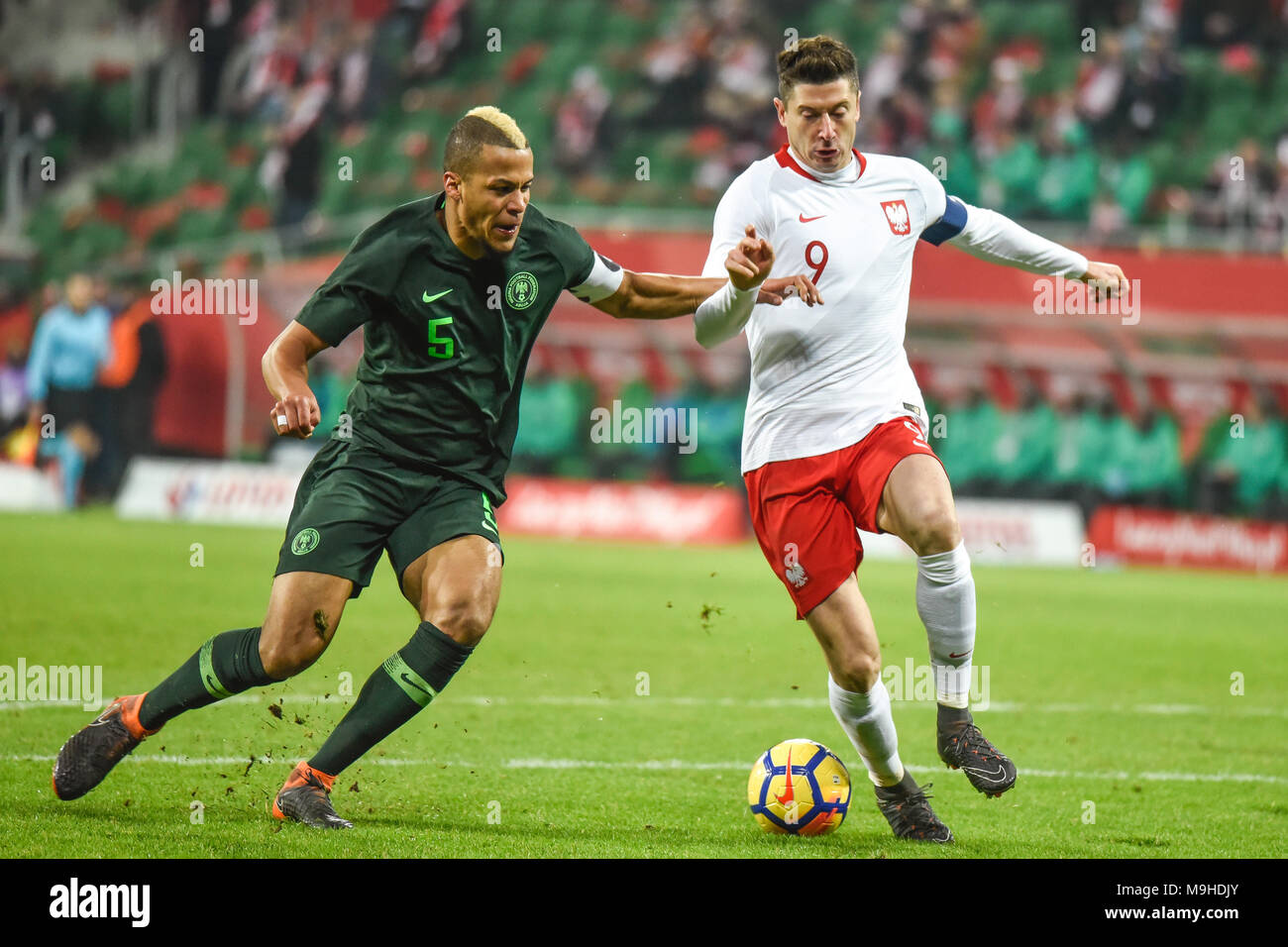
As reported by The Sun Nigeria, Poland captain Robert Lewandowski has agreed to join Major League Soccer side Chicago Fire, with the transfer expected to be finalised next week. According to transfer expert Fabrizio Romano, the 37-year-old striker travelled to Chicago two weeks ago for talks with senior club officials and is set to sign his contract early next week. The move will bring one of Europe’s most decorated forwards—a winner of league titles in Germany and Spain, a UEFA Champions League victor, and Poland’s all-time leading scorer—to the United States. Chicago Fire believes his arrival will strengthen attacking options and raise the club’s global profile.
“The veteran striker has reached an agreement with the MLS club after travelling to Chicago two weeks ago, where he held talks with senior club officials.”
Nigeria Time News Analysis
From a Nigerian football perspective, Lewandowski’s move to MLS is more than a headline—it is a strategic signal for the global talent market that directly affects the Super Eagles and the Nigerian diaspora. The transfer underscores a growing trend: elite European players are increasingly choosing MLS as a competitive, high-visibility destination in their late careers, rather than retiring to less prominent leagues. For Nigerian players and agents, this creates both opportunity and pressure.
First, the move raises the bar for MLS’s attractiveness to African talent. With Lewandowski joining, the league’s global profile climbs, potentially drawing more Nigerian stars—like those in the NPFL or European academies—to consider MLS as a viable career path. This could accelerate the diaspora’s integration into North American football, offering Nigerian players a platform to showcase their skills in a league with growing commercial and media reach. However, it also intensifies competition for roster spots, as MLS clubs now have a stronger incentive to sign high-profile internationals over developing local or African talent.
Second, the transfer highlights the shifting economics of football. Lewandowski’s move is a reminder that European clubs are increasingly willing to part with aging stars for transfer fees, while MLS clubs invest in marquee names to boost attendance and broadcast deals. For Nigeria, this means the Super Eagles’ scouting network must adapt: the next generation of Nigerian talent may not only emerge from Europe but also from MLS academies, where exposure to top-tier coaching and competition is rising. The Nigerian Football Federation (NFF) should monitor this trend closely, as it could reshape the player pool for future World Cup qualifiers.
Third, the move carries implications for the Nigerian diaspora in the United States. Chicago has a significant Nigerian-American community, and Lewandowski’s presence could galvanize local interest in the Fire, potentially creating new avenues for youth football development and cultural exchange. Nigerian-owned businesses and media outlets in the diaspora may find opportunities to engage with the club’s expanded fanbase.
Finally, the transfer underscores a broader geopolitical reality: the global football market is becoming more multipolar. While Europe remains the epicenter, MLS is emerging as a credible alternative for top talent, challenging the traditional hierarchy. For West African football, this means that leagues like the NPFL and those in ECOWAS must innovate to retain talent and attract investment, or risk being left behind in an increasingly competitive landscape.
Regional Context
Historically, Nigerian footballers have followed a well-trodden path from local academies to European clubs, with MLS serving as a secondary option for those seeking a change of scenery later in their careers. Players like Obafemi Martins and Fanendo Adi have previously made the switch, but Lewandowski’s move is of a different magnitude. It signals that MLS is no longer a retirement league but a destination for players still capable of performing at a high level. This shift mirrors the broader globalization of football, where leagues in the United States, Saudi Arabia, and China compete for talent once reserved for Europe. For Nigeria, the key takeaway is strategic: the NFF and Nigerian clubs must invest in data-driven scouting and player development to ensure that the country’s football ecosystem remains competitive in this new era.
Original Reporting By:
The Sun Nigeria