










Borno Rescue Operation: Military and Civilian Efforts Secure Release of 416 Abductees, Raising Questions on Negotiation Strategy
The Report
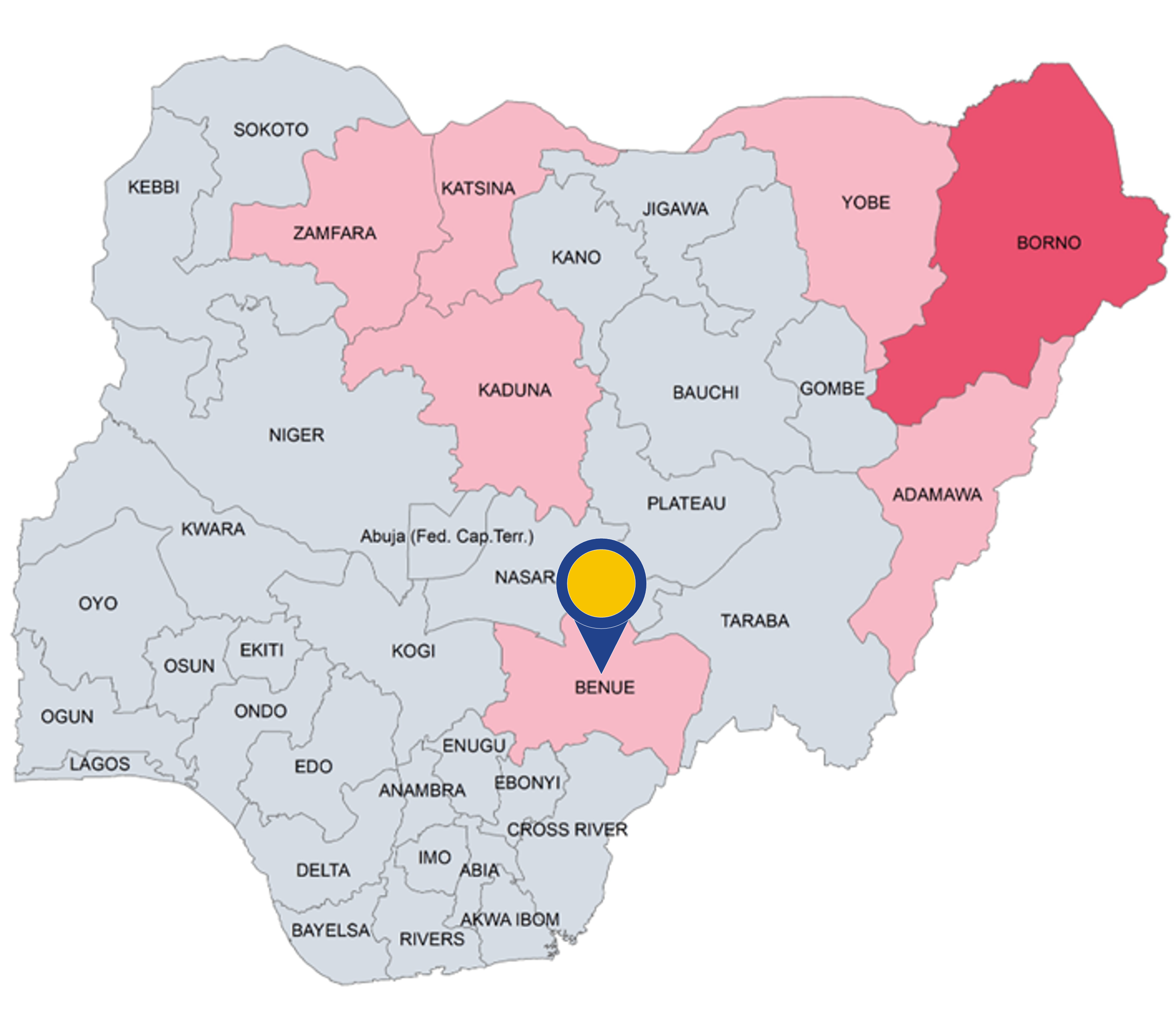
As reported by the News Agency of Nigeria (NAN), the Nigerian Army’s Operation Hadin Kai, in coordination with Special Operations Forces, has announced the rescue of 360 civilians—primarily women and children—who were abducted from the Ngoshe community in Gwoza Local Government Area, Borno State. Major-General Abdulsalam Abubakar, Theatre Commander of the North East Joint Task Force, stated that the rescue followed a coordinated special operation conducted across multiple fronts around the Mandara Mountains on June 6. The operation involved preliminary missions by Special Operations Forces that created confusion within terrorist camps, enabling ground troops of the 26 Task Force Brigade to extract the captives. The rescued individuals were among those abducted during a terrorist attack on Ngoshe on March 3, 2026. Tragically, two infants died during the rescue due to the harsh terrain. All rescued persons underwent medical screening, with those requiring urgent care admitted to the General Hospital in Gwoza. They were provided with food and water before being moved to a secure holding facility pending reunification with their families.
Separately, the President of the Borno South Youth Alliance (BOSYA), Samaila Kaigama, confirmed the release of all 416 women and children from Ngoshe, stating they were released on June 6. Kaigama noted that BOSYA played a mediatory role through sustained communication and negotiations, maintaining contact with the insurgents after the abductees were reportedly displayed in captivity. He urged the Federal Government, Borno State Government, and local authorities to conduct thorough screening and documentation of the released victims to facilitate reintegration.
“We have secured the release of all the 416 women and children from Ngoshe. They were released on June 6,” Kaigama said in a statement.
Nigeria Time News Analysis
From a Nigerian security policy perspective, this dual-track outcome—military rescue of 360 and negotiated release of 416—highlights the complex, often contradictory, realities of counter-insurgency operations in the Lake Chad Basin. The discrepancy in numbers between the military’s 360 and BOSYA’s 416 suggests either overlapping or separate phases of release, or possibly that some abductees were freed through negotiation before the military operation concluded. This ambiguity underscores a persistent challenge: the lack of a unified, transparent command-and-communications framework between security forces and civilian intermediaries.
The involvement of BOSYA, a youth alliance, as a mediator raises significant governance questions. While civilian-led negotiations can save lives, they risk legitimizing terrorist groups and creating parallel channels of authority that undermine state sovereignty. The Federal Government has historically maintained a policy of no direct negotiation with Boko Haram and ISWAP-affiliated factions, yet local intermediaries have often filled the vacuum. This case may signal a pragmatic shift or simply reflect the desperation of affected communities. Either way, it demands a clear policy statement from Abuja on the permissible boundaries of civilian mediation.
Economically, the abduction of 416 people from a single community represents a devastating blow to local livelihoods. Ngoshe, like many communities in Gwoza, relies on subsistence farming and small-scale trade. The three-month captivity period means lost planting seasons, disrupted market access, and long-term trauma that will hinder economic recovery. The Borno State Government’s capacity to provide reintegration support—including psychosocial care, skills training, and micro-credit—will be critical to preventing further radicalization or displacement.
For the Nigerian diaspora, this story resonates deeply. Many diaspora Nigerians from the North East have family ties to affected communities. The rescue offers a moment of relief but also reinforces concerns about the security of rural populations. Diaspora remittances, often channeled through community associations, may now be redirected toward reintegration efforts, but without coordinated state support, these funds may be insufficient.
Regional Context
The Mandara Mountains, where the rescue operation occurred, form a natural border between Nigeria and Cameroon. This region has long served as a hideout for insurgent groups due to its rugged terrain and porous borders. The success of this operation may encourage the Nigerian military to intensify cross-border coordination with Cameroonian forces under the Multinational Joint Task Force (MNJTF). However, the involvement of civilian negotiators could complicate regional counter-terrorism protocols, as Cameroon and Chad have historically opposed any form of negotiation with terrorist groups. The ECOWAS Commission, which has prioritized regional security cooperation, may need to facilitate a dialogue on standardizing approaches to hostage situations and civilian mediation across member states.
Original Reporting By:
News Agency of Nigeria (NAN)