











Beyond the Headlines: A Deep Dive into the US Visa Policy Shift and Its Strategic Implications for Nigeria
An analysis of the nuanced reasons and broader geopolitical context behind the updated US visa regulations affecting Nigerian travelers.
Primary Source: This report is based on information first published by Legit.ng, citing statements from US Ambassador to Nigeria, Richard Mills, and a visiting Congressional delegation.
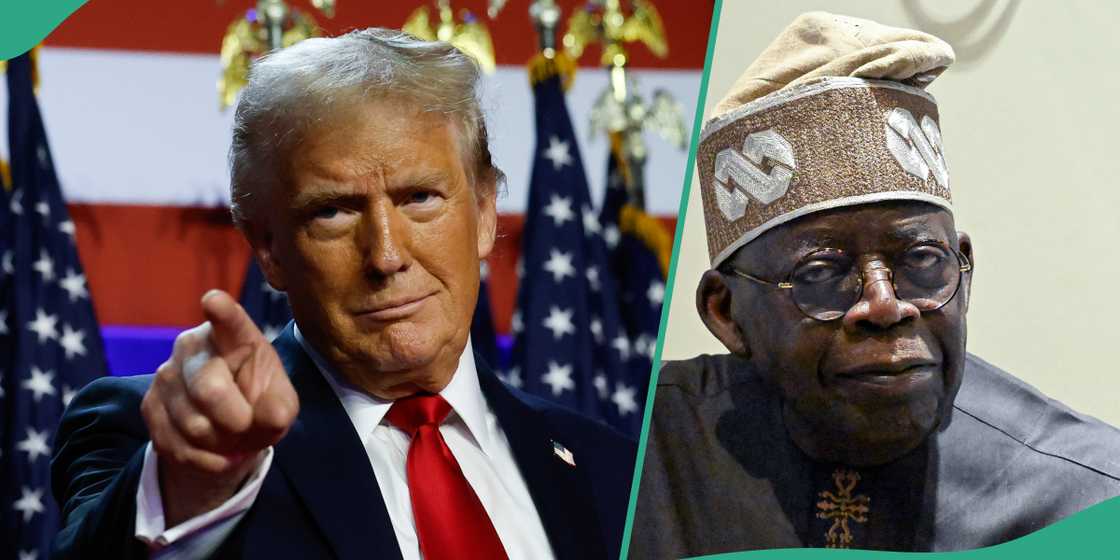
Source: Getty Images
Clarifying Intent: Security Protocols, Not Collective Punishment
In a move that sparked immediate concern and speculation, the United States recently announced new visa restrictions set to take effect for Nigerian nationals in 2026. However, official clarifications from US diplomats have sought to reframe the narrative. According to Ambassador Richard Mills, the policy is fundamentally a procedural recalibration, not a punitive measure against the Nigerian people.
“The focus of the visa review is on ensuring proper vetting and credible information in the visa process, not on penalising Nigerians,” Mills stated. This distinction is critical. The policy, framed as a presidential proclamation, targets specific visa categories—primarily immigrant visas—while explicitly exempting diplomats, official travelers, and those on religious pilgrimages.
The core issue, as presented by US officials, revolves around information-sharing and security screening standards. The restrictions are positioned as a lever to encourage enhanced cooperation on identity management, criminal record exchanges, and passport integrity—areas where the US seeks more reliable data from partner governments.
The Geopolitical Leverage of Visa Policy
The visiting US Congressional delegation, led by Representative Bill Huizenga, provided further context, describing such visa reviews as a standard diplomatic and administrative tool. This framing reveals a broader truth about modern statecraft: immigration policy is increasingly intertwined with foreign policy objectives.
“Such measures are generally directed at government systems and administrative processes rather than individuals,” Huizenga explained.
This suggests the restrictions are less about the individual applicant and more about incentivizing systemic upgrades within Nigeria’s security and documentation infrastructure. It places the policy within a global pattern where nations use access to their territory as a bargaining chip to secure compliance on data-sharing and counter-terrorism protocols.
Source: Getty Images
Contextualizing the Move: A Pattern of Evolving Scrutiny
This announcement does not exist in a vacuum. It follows a years-long trend of the US tightening its vetting procedures globally. The referenced proposal to collect five-year social media histories from Visa Waiver Program travelers is a case in point, indicating a shift toward digital footprint analysis as a standard security component.
For Nigeria, the specific inclusion stems from two officially cited reasons related to information-sharing deficiencies on security and lost/stolen passports. The new policy, therefore, can be seen as an escalation of long-standing US concerns, moving from behind-the-scenes diplomacy to a public, time-bound action designed to spur resolution.
The “So What” for Nigerian Applicants and Bilateral Relations
The immediate practical impact for most Nigerian travelers—tourists, students, and business visitors on non-immigrant visas—appears limited for now. However, the psychological and diplomatic impact is significant.
- For Applicants: The emphasis from officials is on consulting official US Embassy channels to avoid misinformation. The call for clarity underscores the complexity of immigration law and the risk of relying on unofficial sources.
- For Bilateral Ties: This episode tests the resilience of the US-Nigeria relationship. It presents a challenge for Nigerian authorities to address the technical grievances raised, potentially leading to investments in civil registry and security database systems. Success could lead to the restrictions being lifted, as has occurred with other nations in the past.
Conclusion: A Strategic Pause, Not a Closed Door
The new US visa rules for Nigeria represent a strategic pause, framed as a necessary step to align security protocols. While the headline of “restrictions” carries an undeniable sting, the official explanations point toward a process-oriented and conditional approach. The 2026 implementation date provides a substantial window for dialogue and systemic adjustment.
The ultimate outcome will depend less on the proclamation itself and more on the technical and diplomatic negotiations it triggers in the intervening years. For the thousands of Nigerians who aspire to travel to the United States, the path forward is marked by heightened scrutiny but, according to US envoys, not by a blanket rejection.
Reporting based on primary source material from: Legit.ng – US envoy explains Trump’s visa restrictions on Nigerians.